Patio Leveling & Concrete Lifting in Madison, WI
Lift and stabilize settled, uneven, or sinking concrete patios before they create bigger drainage, safety, step-transition, or outdoor living problems.
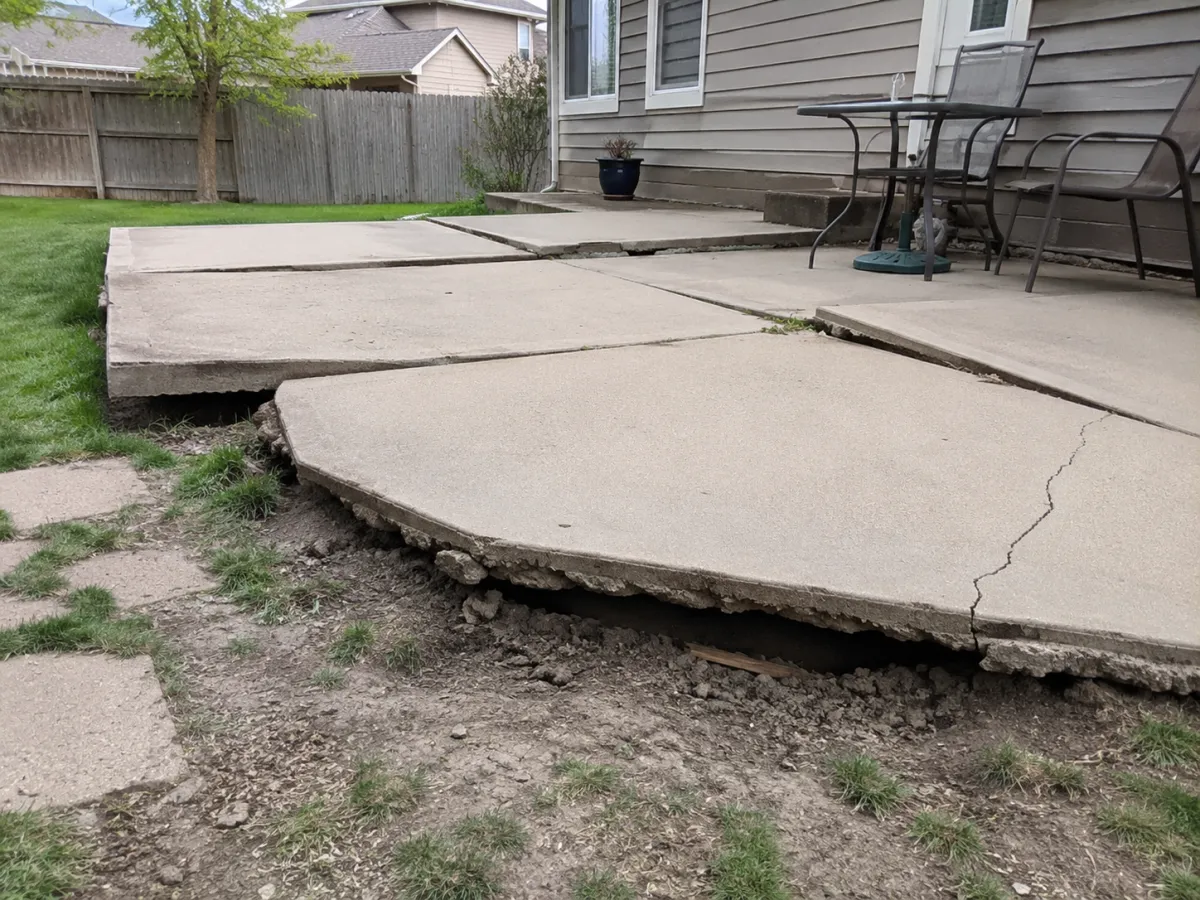
A sinking or uneven concrete patio can create trip hazards, drainage issues, water pooling, gaps near steps, and rough transitions around outdoor living areas. Patio leveling may help restore a safer, more usable surface when the concrete is still mostly intact.
Concrete patios in Madison can settle when soil beneath the slab washes out, compacts unevenly, or loses support over time. Snowmelt, freeze-thaw movement, runoff, downspouts, open joints, and drainage problems can all contribute to patio slab movement.
Instead of tearing out usable concrete too early, patio leveling focuses on raising and supporting the settled area. Replacement may still be needed when the concrete is badly cracked, crumbling, severely spalled, heavily fractured, or no longer structurally sound.
The Patio Problems Madison Homeowners Usually Notice First
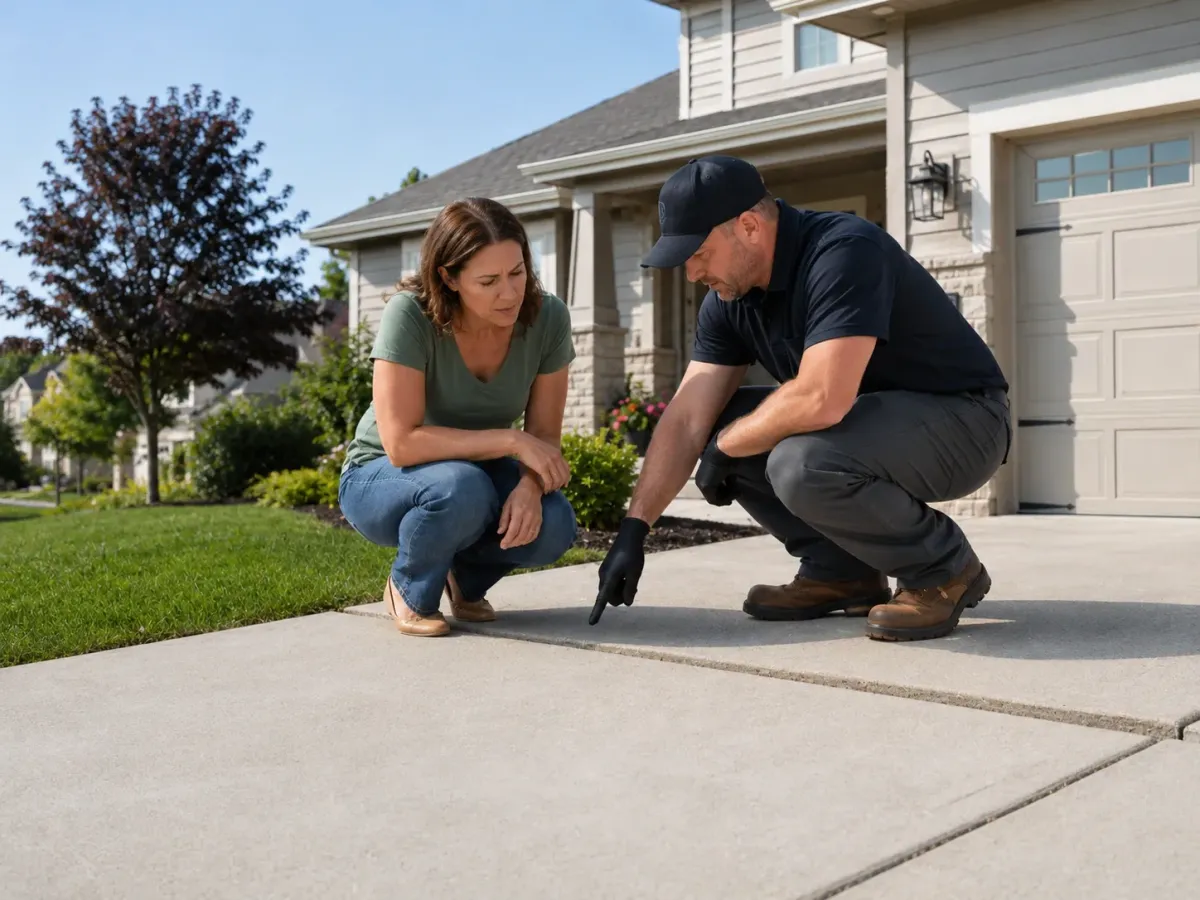
Most homeowners do not start by asking for a repair method. They notice something around the patio that feels unsafe, annoying, or wrong.
Patio leveling may be worth evaluating when you see:
A patio corner has sunk or tilted
Water pools after rain or snowmelt
The patio slopes toward the house
A slab edge has become a trip hazard
The patio has separated near steps or a walkway
The concrete has cracked because support was lost underneath
A door, step, or walkway transition feels uneven
Outdoor furniture rocks or sits unevenly
There are gaps beneath the patio slab
The goal is to find out whether the patio can be lifted and supported before the problem becomes a larger repair or replacement project.
Common Patio Leveling Problems
Sunken backyard patios
Uneven patio slab edges
Cracked or separated patio sections
Water pooling on patio surfaces
Trip hazards near steps or walkways
Settled outdoor seating areas
Concrete movement near doors or entries
Patio slabs pulling away from steps or walkways
Gaps or voids beneath patio edges
Drainage issues around outdoor living spaces
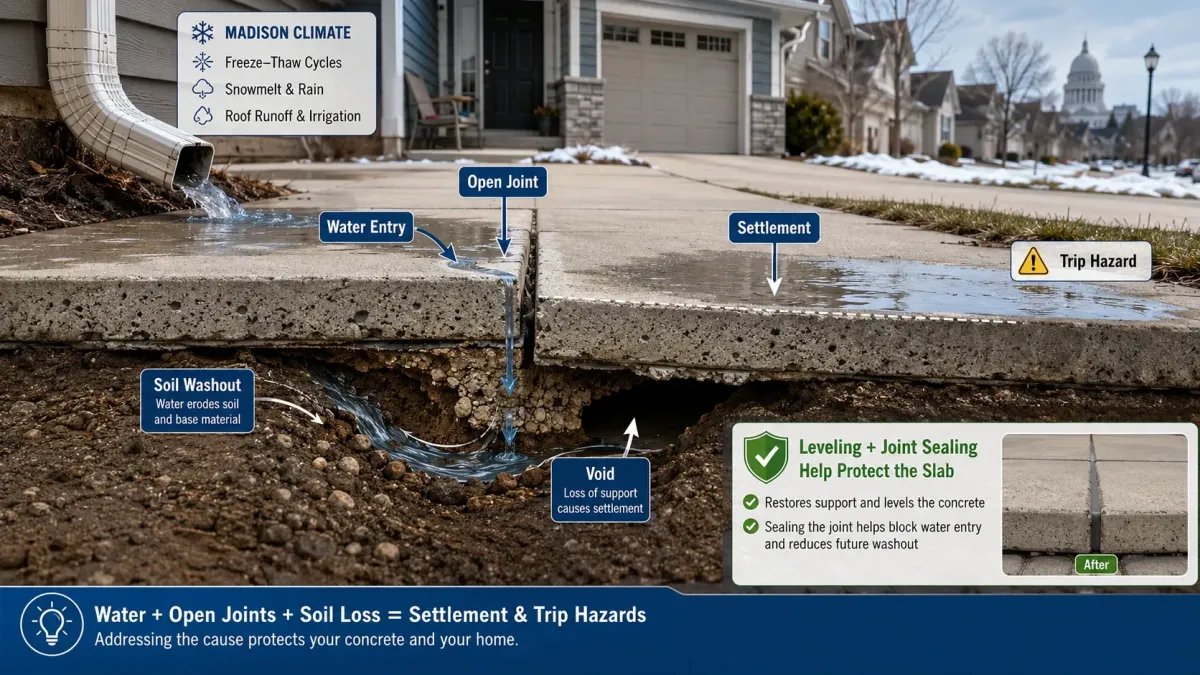
What Causes Concrete Slabs to Settle or Crack?
Concrete patios usually settle when the base beneath the slab loses support. Water movement, poor compaction, open joints, freeze-thaw movement, drainage problems, and long-term soil settlement can all cause patio sections to drop, tilt, crack, or separate.
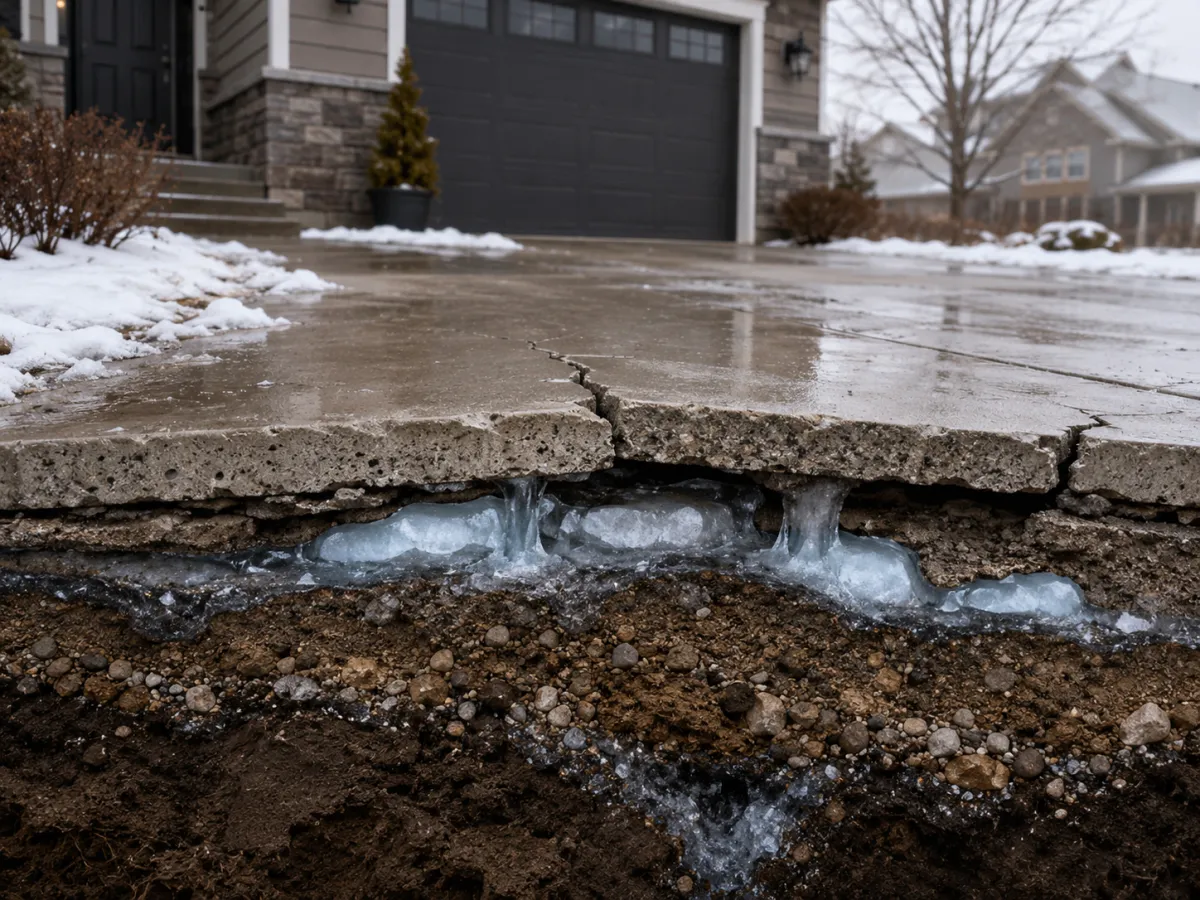
Soil Washout
When water moves beneath concrete, it can carry soil or base material away from the slab. Once the concrete loses support, it may sink into the unsupported area.
Poor Compaction
If the base was not compacted evenly before the slab was placed, some areas may settle faster than others. This can leave one side of the slab lower than the surrounding concrete.
Freeze-Thaw Movement
Moisture around or beneath concrete can expand and contract during freezing and thawing cycles. Repeated movement can contribute to cracks, settlement, and uneven slab transitions.
Drainage and Downspout Problems
Downspouts, grading issues, and poor drainage can send water toward the slab instead of away from it. Over time, this can contribute to washout, voids, and continued movement.
Why Concrete Patios Sink and Settle
Concrete patios usually settle when the base beneath the slab loses support. Water movement, poor compaction, freeze-thaw movement, drainage problems, and long-term soil settlement can all cause patio sections to drop, tilt, crack, or separate.
Water Runoff and Washout
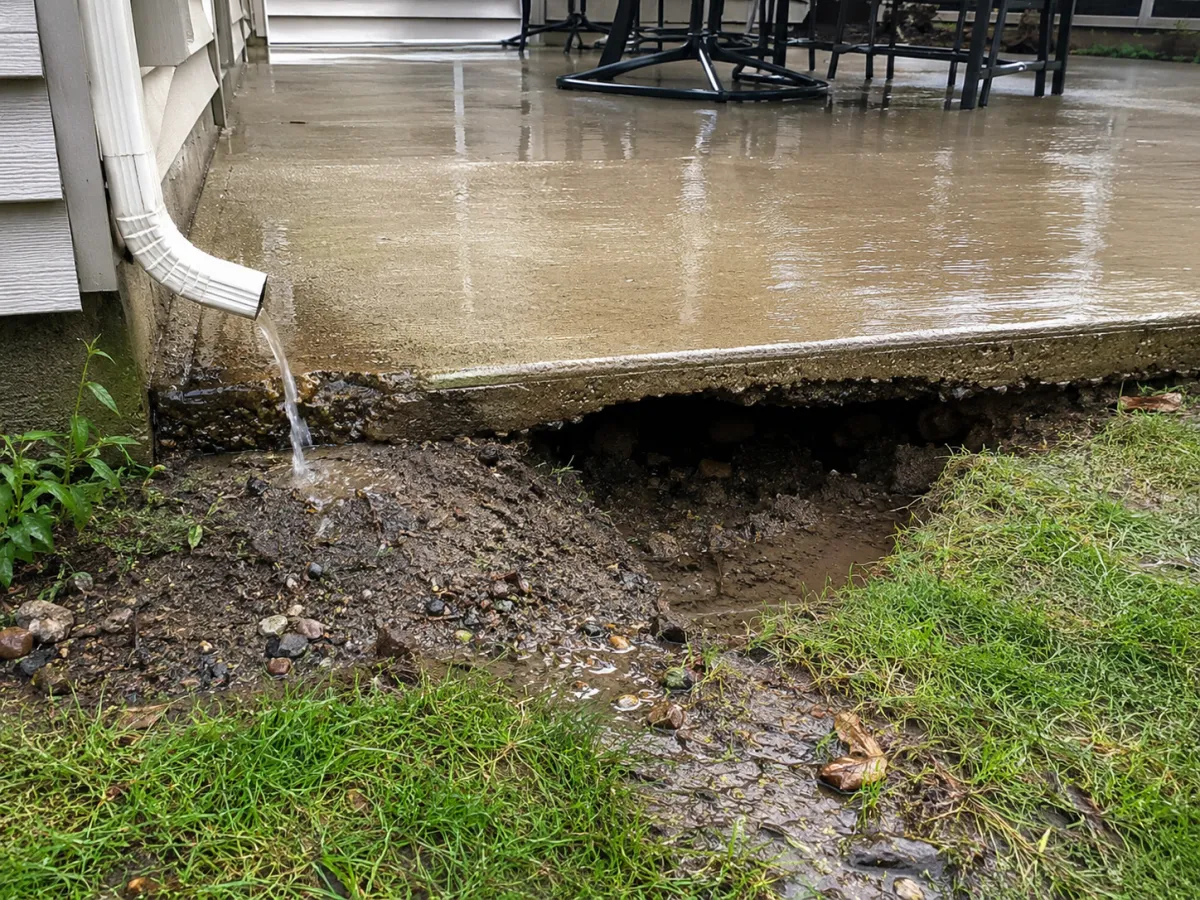
When rain, snowmelt, or roof runoff moves toward or beneath a patio, it can carry soil or base material away from the slab. Once support is lost, the concrete may begin to sink into the unsupported area.
Poor Base Compaction
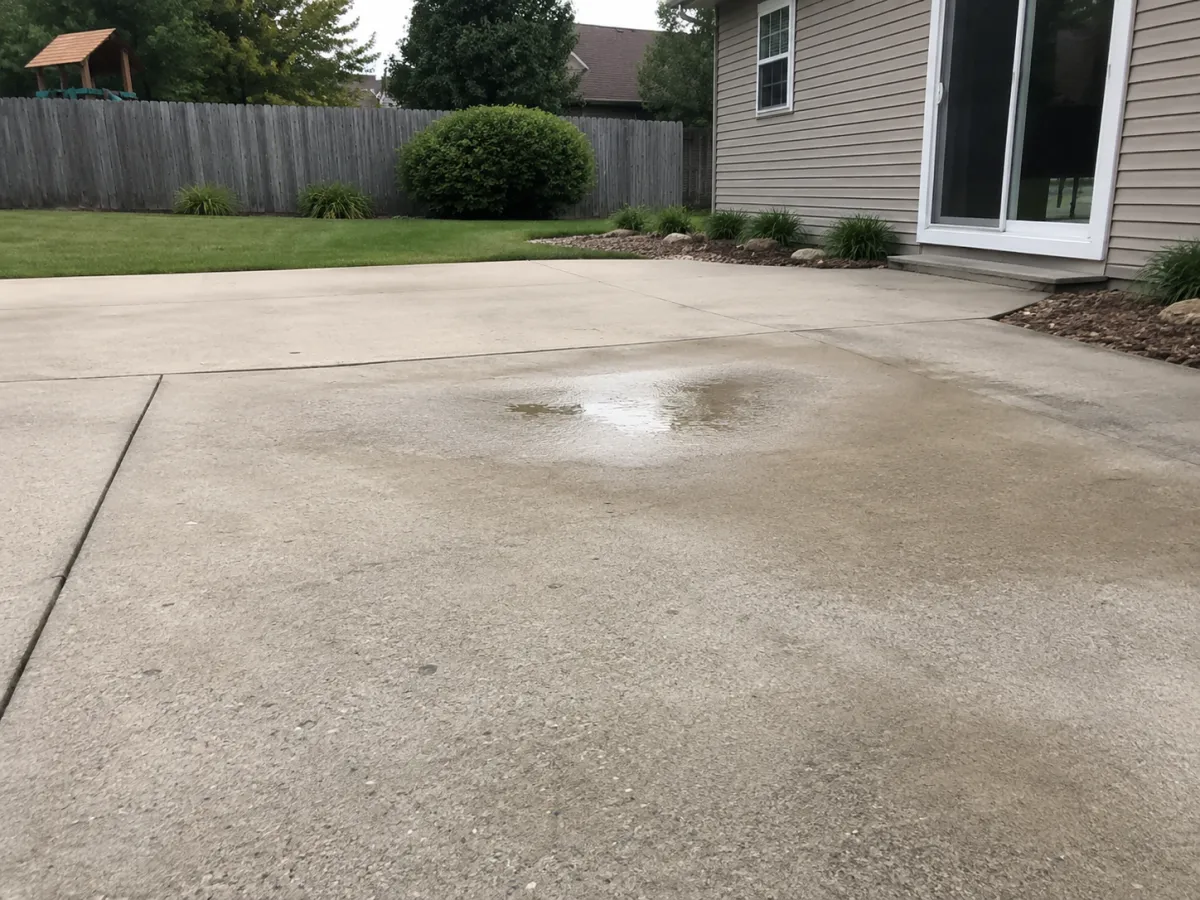
If the base beneath the patio was not compacted evenly before the slab was poured, some areas may settle faster than others. This can create uneven transitions, low spots, tilted patio sections, and gaps beneath the slab.
Freeze-Thaw Movement
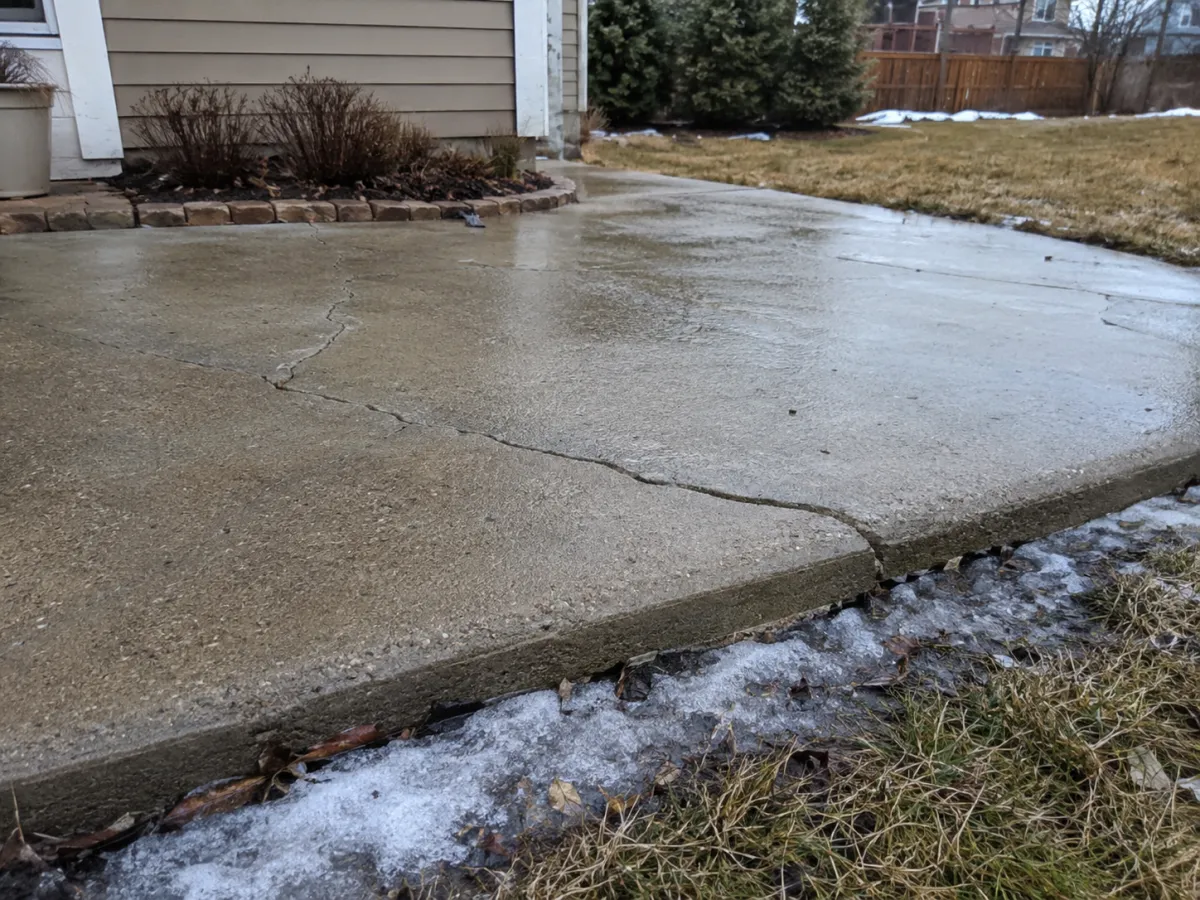
Moisture around or beneath concrete can expand and contract during Wisconsin freeze-thaw cycles. Repeated seasonal movement can contribute to cracks, settlement, surface deterioration, and uneven patio slabs.
Drainage Around Outdoor Living Areas
Downspouts, grading issues, and poor drainage can send water toward patios instead of away from them. If water keeps collecting near or beneath the slab, the patio may continue to move after repair.
Open Joints and Water Entry
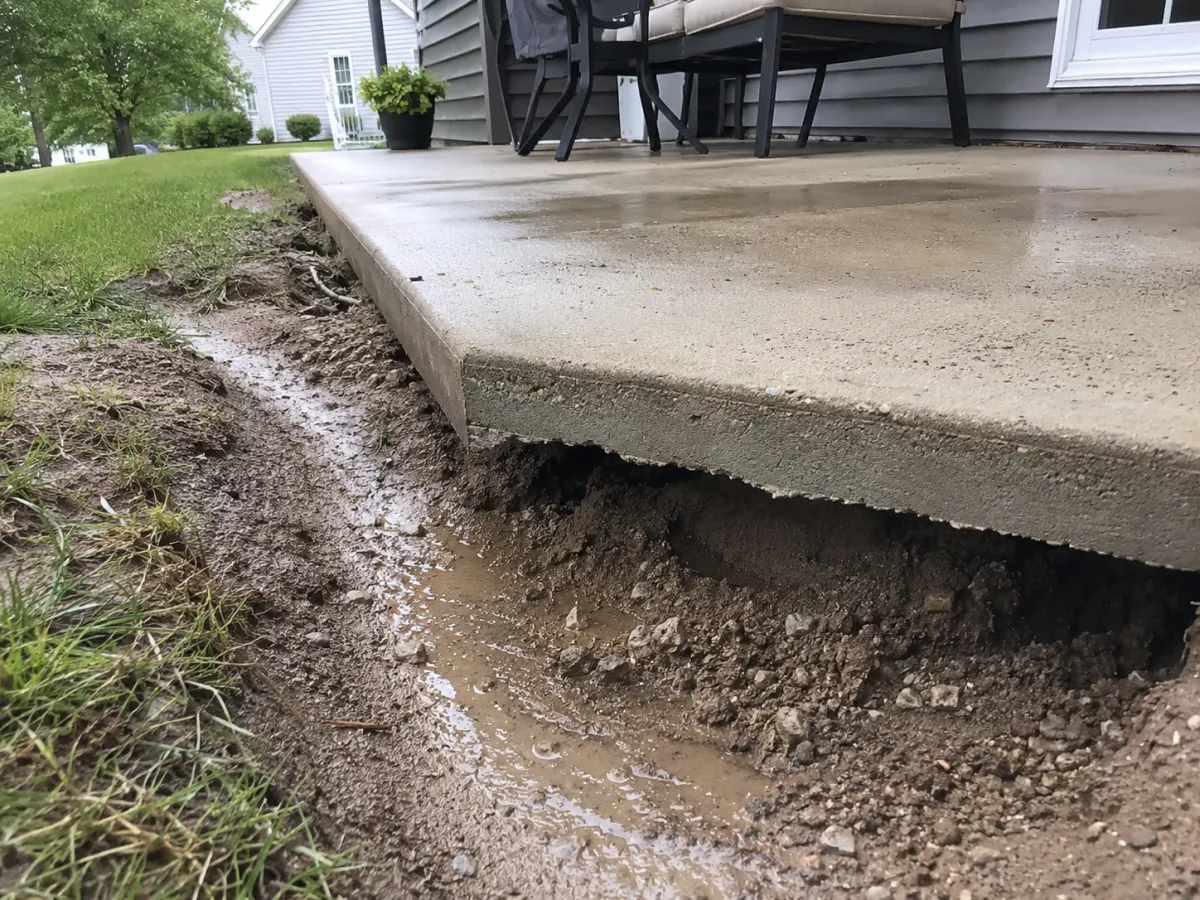
Open joints, cracks, or gaps between patio sections can let rain and snowmelt move below the concrete. Over time, that water can wash away support, create voids, and make patio settlement worse.
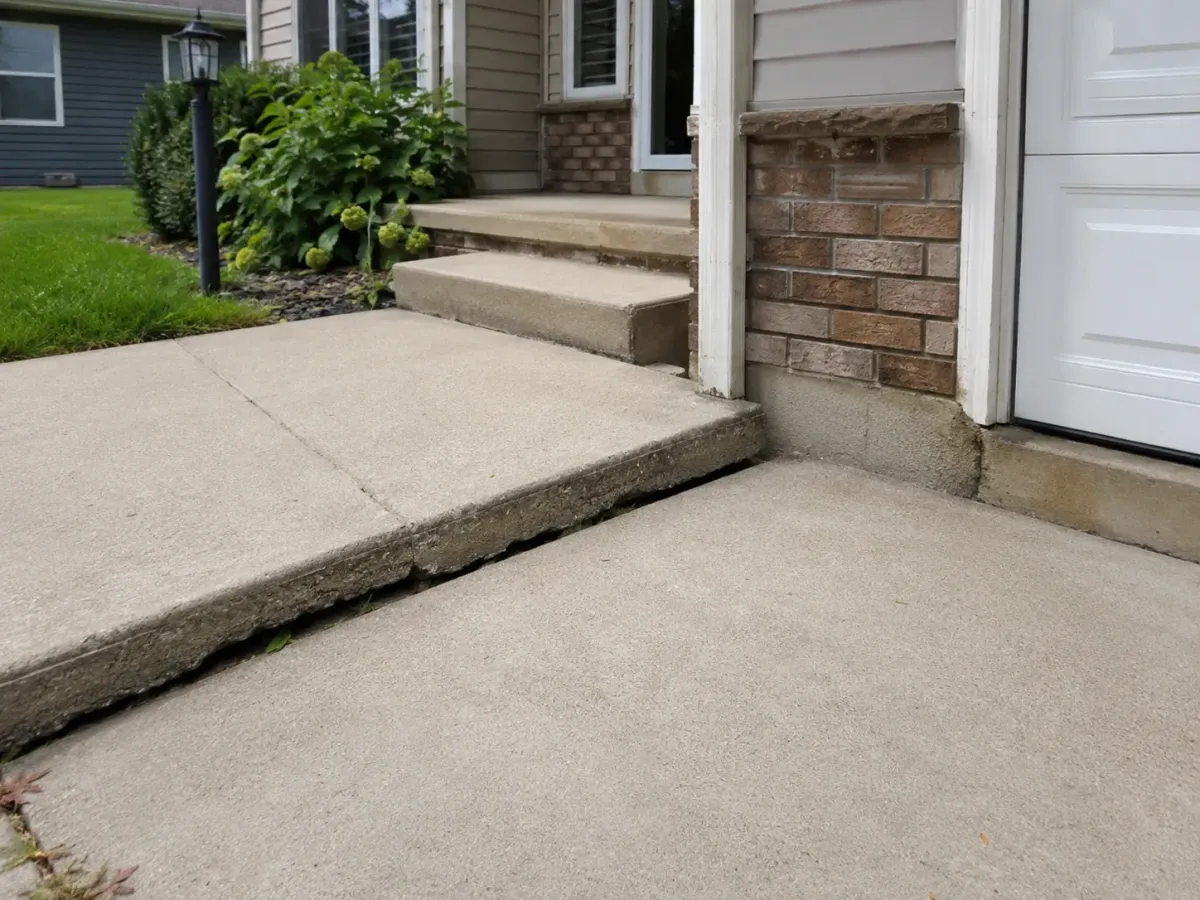
When Patio Leveling Is a Good Fit
Patio leveling may be a good option when the concrete has settled but the slab is still mostly intact. The goal is to lift and support usable patio concrete instead of replacing it too early.
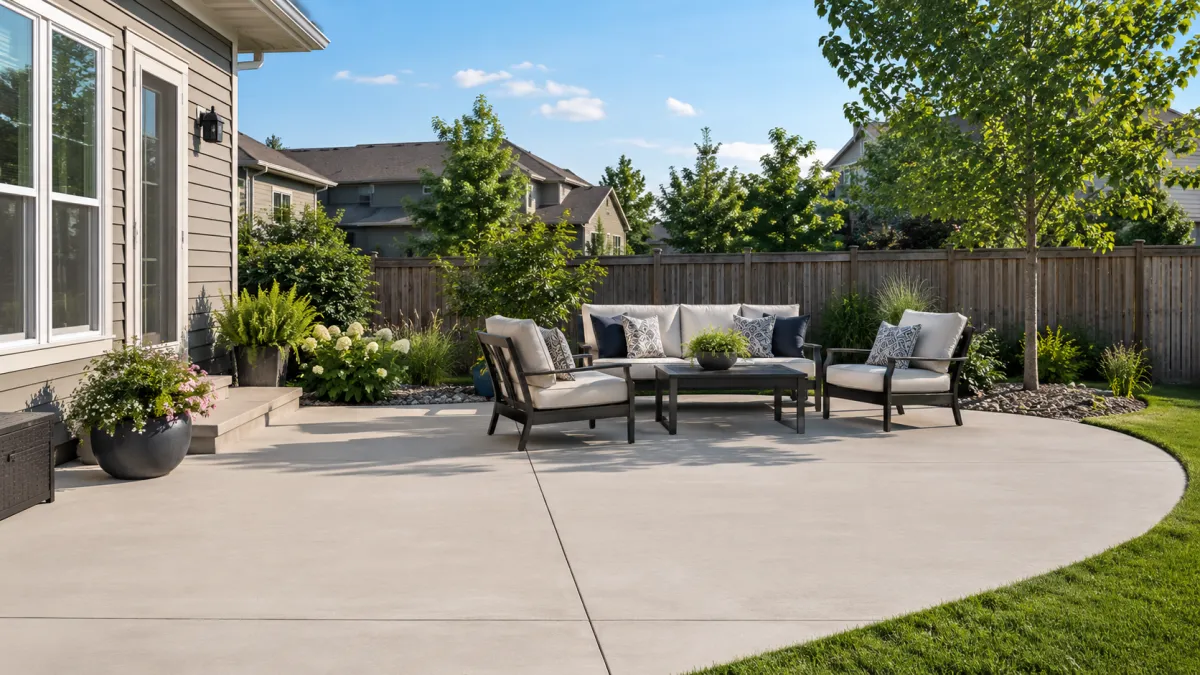
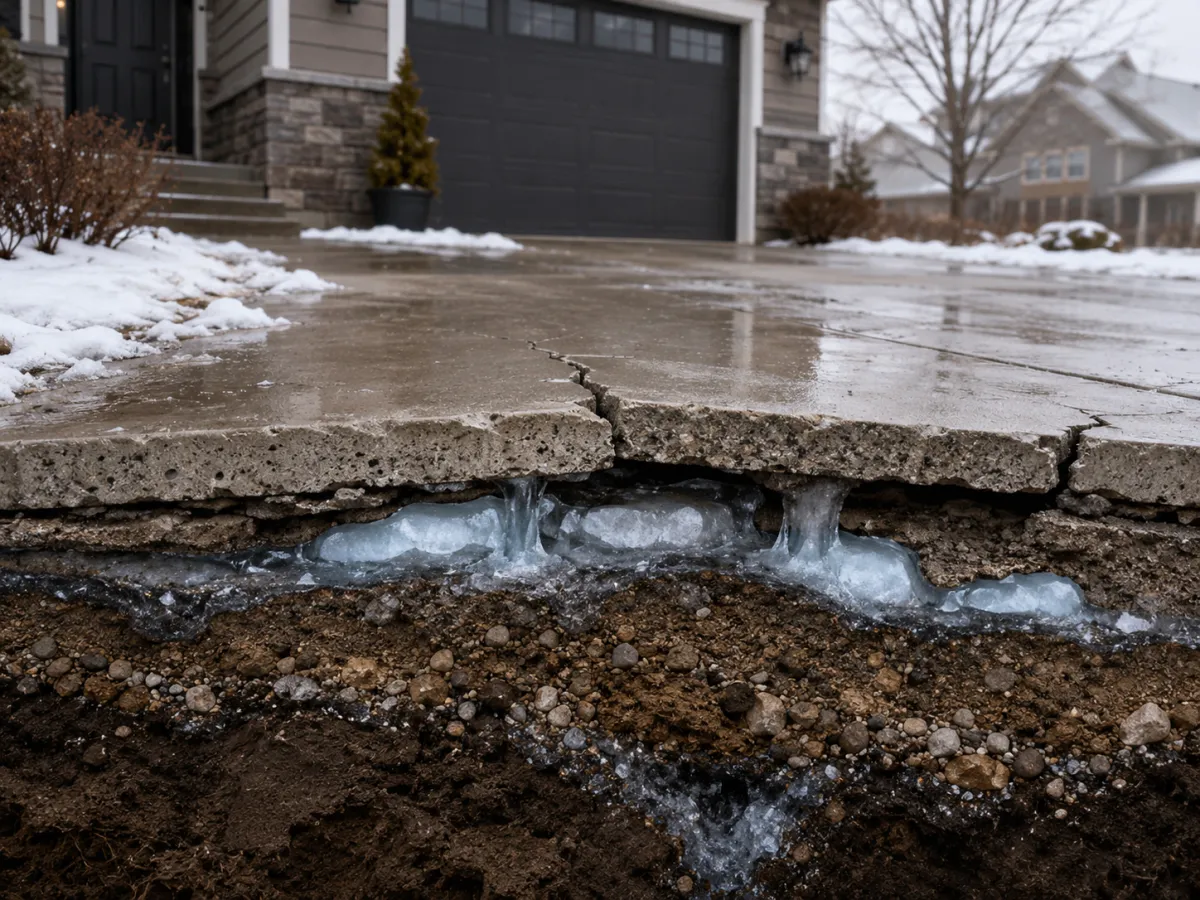
The Patio Slab Is Mostly Intact
Leveling usually works best when the patio slab is still solid enough to raise. Concrete that is shattered, crumbling, badly spalled, heavily fractured, or badly deteriorated may need replacement instead.
The Main Issue Is Settlement
Patio leveling is usually a better fit when the main problem is settlement or support loss beneath the slab. This is common when water, poor compaction, open joints, or seasonal ground movement leave part of the patio unsupported.
The Patio Needs Better Drainage or Safer Use
Leveling can help reduce low spots, water pooling, uneven edges, and trip hazards around outdoor seating areas, walkways, steps, doors, and patio transitions.
Patio Leveling vs. Patio Replacement
Patio Leveling, Slab Repair, or Replacement?
Not every patio problem needs the same fix. A settled but mostly intact slab may be a good candidate for patio leveling or concrete lifting. A patio with voids beneath it may need support restored below the slab. A patio with open joints or water running under it may also need joint sealing, drainage correction, or grading changes.
Replacement may be the better choice when the patio is severely cracked, crumbling, badly spalled, unstable, or sloped incorrectly from the original pour.
The right repair should be based on the condition of the concrete, the reason it moved, and whether lifting the existing patio will create a safer and more usable surface.
Not every uneven patio needs to be replaced. The right choice depends on the condition of the concrete, how much it has settled, whether voids exist beneath it, and whether surrounding drainage or soil issues can be corrected.
Leveling May Be Better When
Patio leveling may make sense when the slab is mostly intact, the main problem is settlement, and the surface can be made safer, better supported, and more usable without full demolition.
Replacement May Be Better When
Replacement may be needed when the patio is severely cracked, broken into several unstable pieces, crumbling, badly spalled, heavily fractured, sloped incorrectly from the original pour, or no longer structurally sound.
Not sure which repair method applies to your slab? Start with an evaluation.
Patio Leveling FAQs
Common questions about sunken patios, uneven patio slabs, concrete lifting, concrete leveling, drainage issues, water pooling, and patio repair in Madison.
Can a sinking concrete patio be repaired without replacement?
Often, yes. If the patio slab is still mostly intact and the main issue is settlement or support loss beneath the concrete, patio leveling, mudjacking, or concrete lifting may help raise and stabilize the slab without full replacement.
Why do concrete patios sink in Madison?
Concrete patios in Madison can sink when soil beneath the slab washes out, compacts unevenly, or loses support. Freeze-thaw cycles, snowmelt, runoff, poor drainage, open joints, and long-term settlement can all contribute to patio slab movement.
Can patio leveling fix water pooling?
It may help when water pools because one section of the patio has settled and created a low spot. However, patio leveling does not automatically solve every drainage problem. Downspouts, grading, runoff paths, open joints, and nearby soil conditions may also need to be reviewed.
Is patio leveling cheaper than replacement?
In many cases, patio leveling can be less disruptive and more affordable than removing and replacing the entire patio when the slab is still a good repair candidate. Replacement may still be needed when the concrete is badly damaged, unstable, or no longer structurally sound.
Can cracks be repaired with patio leveling?
Sometimes. A cracked patio may still be a repair candidate if the concrete is mostly intact and the main problem is settlement or support loss beneath the slab. If the patio is badly fractured, crumbling, or unstable, replacement may be the better option.
Can a patio that slopes toward the house be lifted?
Sometimes, but it depends on why the patio is sloping and how much correction is possible. If the patio has settled toward the house, lifting may help improve the slope. If the patio was originally poured with the wrong pitch or drainage design, replacement or drainage correction may be needed.
Can patio leveling help with uneven steps or walkway transitions?
Yes, patio leveling may help when a settled patio creates rough transitions near steps, walkways, doors, or outdoor living areas. The slab should be evaluated to confirm whether it is still intact enough to lift safely.
What are voids under a concrete patio?
Voids are empty or unsupported spaces beneath a patio slab. They can form when soil washes out, compacts unevenly, or moves over time. Voids can cause the patio to sink, crack, rock, or separate from nearby concrete.
When should a concrete patio be replaced instead of leveled?
Replacement may be better when the patio is severely cracked, crumbling, badly spalled, unstable, heavily fractured, or sloped incorrectly from the original pour. A repair evaluation should help determine whether the patio can be lifted or should be replaced.
Need help with a sunken or uneven concrete patio in Madison?
Request a free patio leveling evaluation before assuming the patio needs to be replaced.
Lift, Level, Lasting Results.
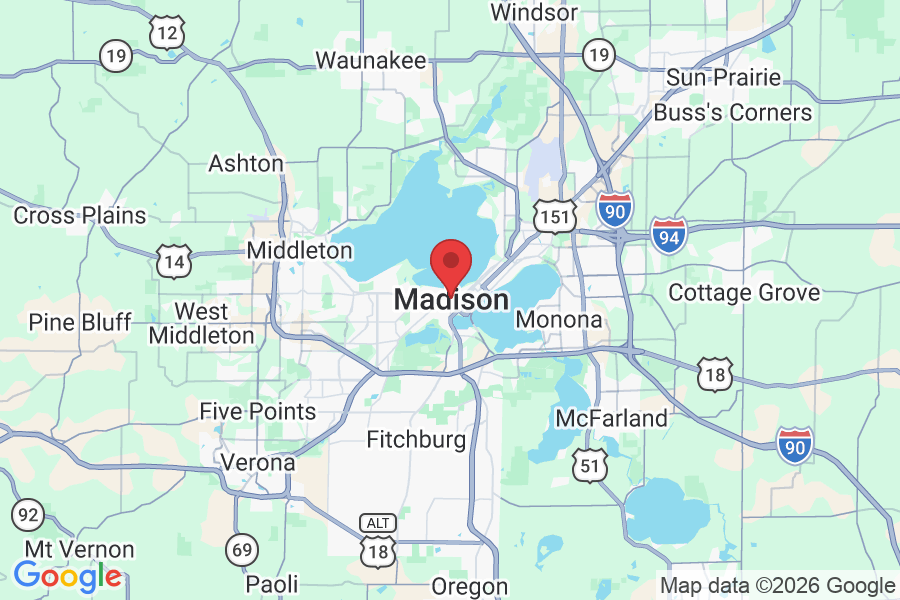
Serving Madison, Middleton, Fitchburg,
Sun Prairie, Verona, Waunakee, Monona,
McFarland, DeForest, Stoughton, Oregon,
Cottage Grove, and most of Dane County.