Mudjacking in Madison, WI
Raise sunken concrete slabs by filling voids beneath driveways, sidewalks, patios, garage entries, steps, and walkways.
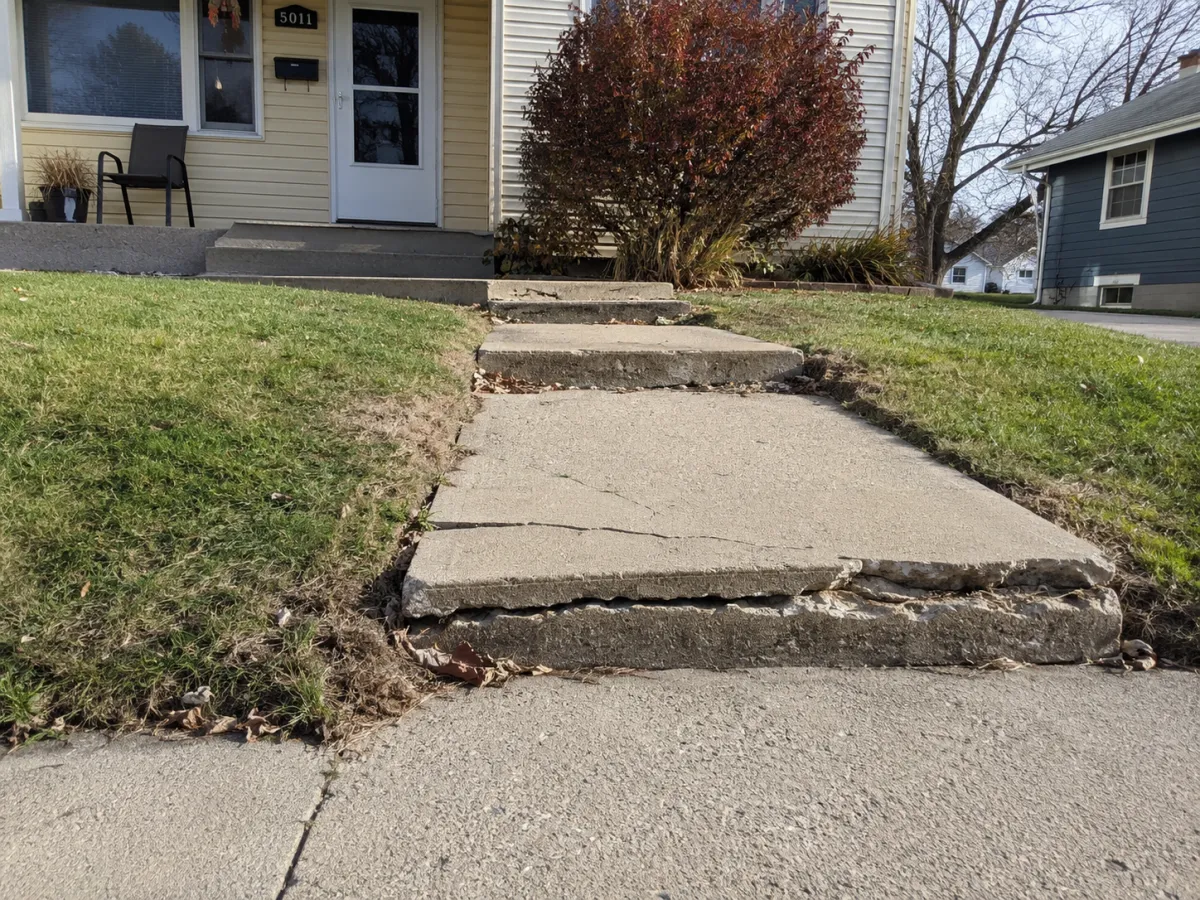
Mudjacking is a concrete raising method...
Mudjacking is a concrete raising method used to lift settled slabs by placing material beneath the concrete. When soil washes out, compacts unevenly, or leaves empty space under a slab, mudjacking can help fill those voids and raise the surface back toward a safer, more usable position.
For Madison homeowners, mudjacking is often considered when sidewalks, driveways, patios, walkways, steps, garage slab transitions, or exterior slabs have settled but are still mostly intact. The goal is to improve support below the slab without tearing out usable concrete too early.
Mudjacking is not right for every situation. If the concrete is severely cracked, crumbling, badly spalled, or no longer structurally sound, replacement may be the better choice. A proper evaluation should look at the slab condition, settlement depth, drainage, freeze-thaw exposure, and the cause of the movement.
What Mudjacking Is Used For
Sunken driveways
Uneven sidewalks
Settled patios
Trip hazards near walkways and steps
Garage slab or garage entry settlement
Separated concrete slab sections
Concrete with poor drainage or water pooling
Sinking concrete around outdoor living areas
Walkway and front entry transitions
Concrete slabs with visible voids or lost support
Mudjacking can often be completed with less disruption than full removal and replacement when the slab is still a good candidate for repair. It works best when the concrete is still mostly intact and the main problem is settlement, not total slab failure.
How Mudjacking Helps Lift Settled Concrete
Mudjacking is designed to address concrete slabs that have settled because the base underneath no longer provides even support. Small access points are used to place material beneath the slab, unsupported voids are filled, and pressure helps raise the concrete back toward a safer, more usable position.
This process is commonly considered for mostly intact slabs around driveways, sidewalks, patios, walkways, front steps, and garage entries. The key is determining whether the concrete is still a good candidate for lifting or whether replacement, drainage correction, or another repair option would be more appropriate.
For Madison properties, the evaluation should also account for snowmelt, downspout discharge, grading, open joints, and freeze-thaw movement. If water keeps moving under the slab after the repair, settlement can return over time.
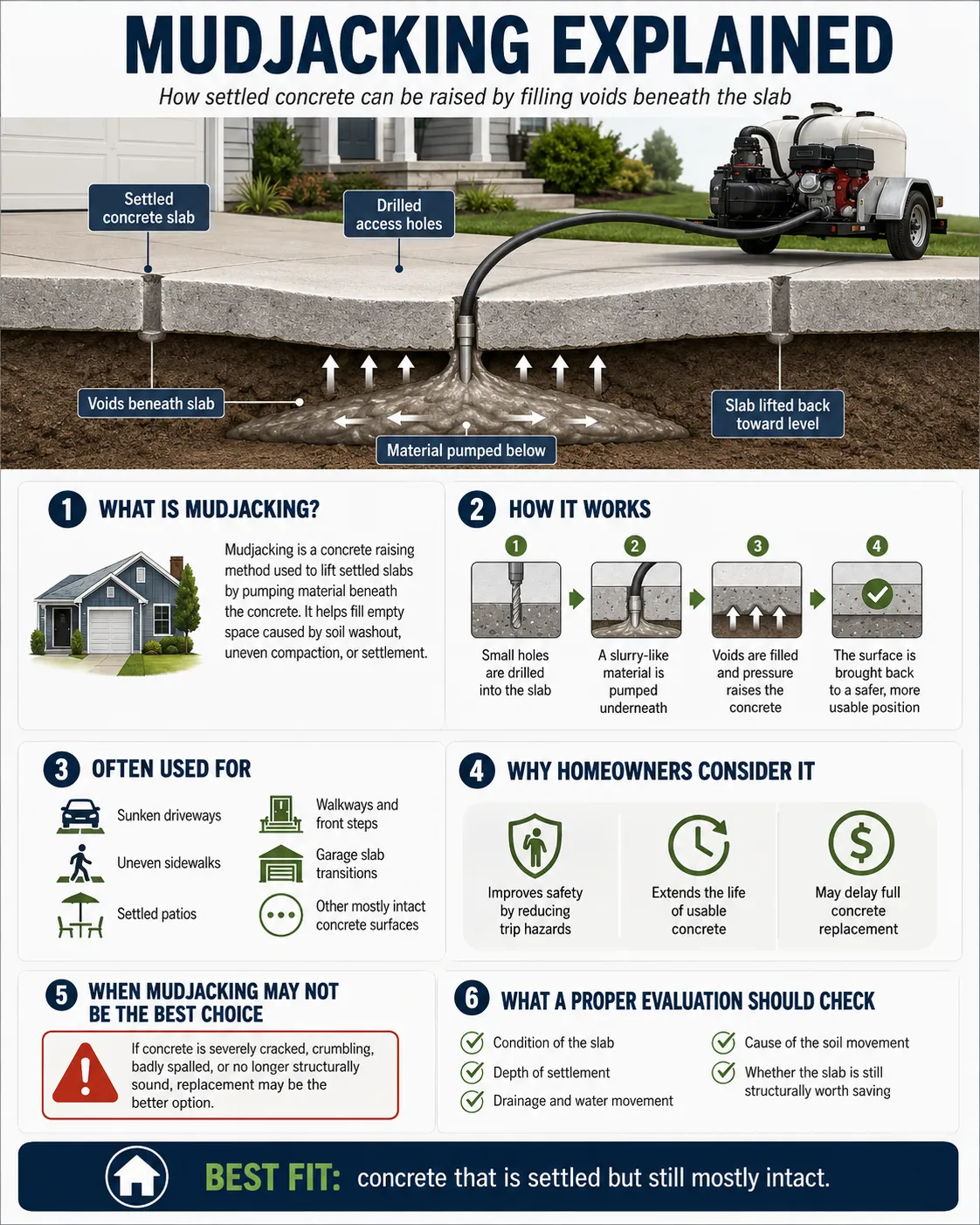
Mudjacking works by filling unsupported areas beneath a settled slab so the concrete can be lifted and stabilized when the slab is still mostly intact.
Why Concrete Sinks and Settles
Driveways, sidewalks, patios, steps, walkways, and garage slabs can settle when the base underneath them loses support. Water movement, poor compaction, seasonal ground changes, and long-term soil settlement can cause concrete to sink, separate, crack, or become uneven.
In Madison, this problem is often tied to freeze-thaw cycles, snowmelt, downspouts, heavy rain, and drainage patterns that move water beneath or alongside the slab. Once soil or base material washes away, the concrete can settle into the unsupported area.
Common Causes of Slab Settlement
Freeze-thaw movement
Snowmelt and water runoff
Water erosion beneath slabs
Poor soil compaction
Heavy rain and drainage problems
Downspouts draining near concrete
Open joints that let water below the slab
Long-term soil settlement
Seasonal expansion and contraction
Addressing settlement early can help reduce trip hazards, improve drainage, restore curb appeal, and limit additional movement before the slab becomes harder to repair. A small driveway drop, raised sidewalk edge, patio corner settlement, or garage entry issue can become more expensive when unsupported concrete keeps moving.
When Mudjacking Is a Good Fit
Mudjacking is usually a better fit when the slab has settled but the concrete itself is still in usable condition. It is most helpful when the problem is loss of support beneath the slab rather than total slab failure. A good evaluation should look at the concrete condition, the amount of settlement, the size of any voids, how water is moving around the slab, and whether lifting the existing concrete will create a safer and more usable surface.
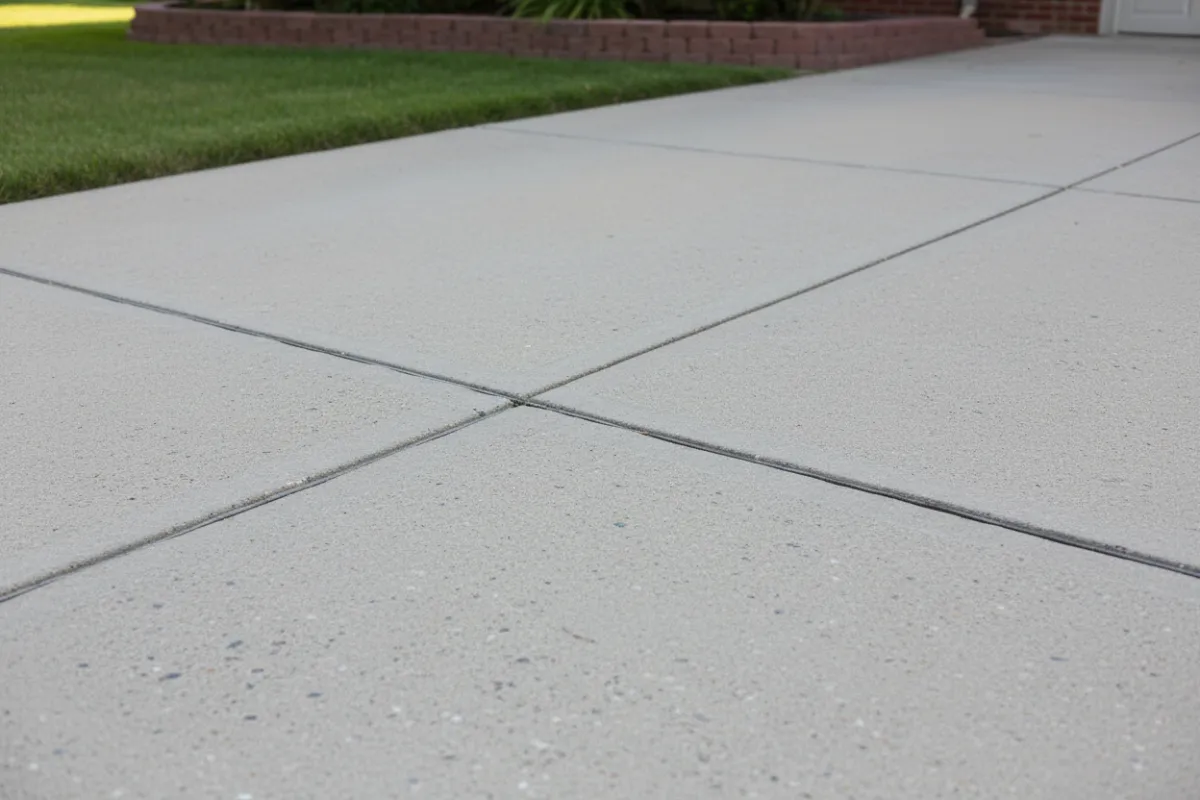
The Concrete Is Still Mostly Intact
Mudjacking works best when the slab is still solid enough to lift. Concrete that is shattered, crumbling, badly spalled, or severely deteriorated may not respond well to lifting and may need replacement instead.
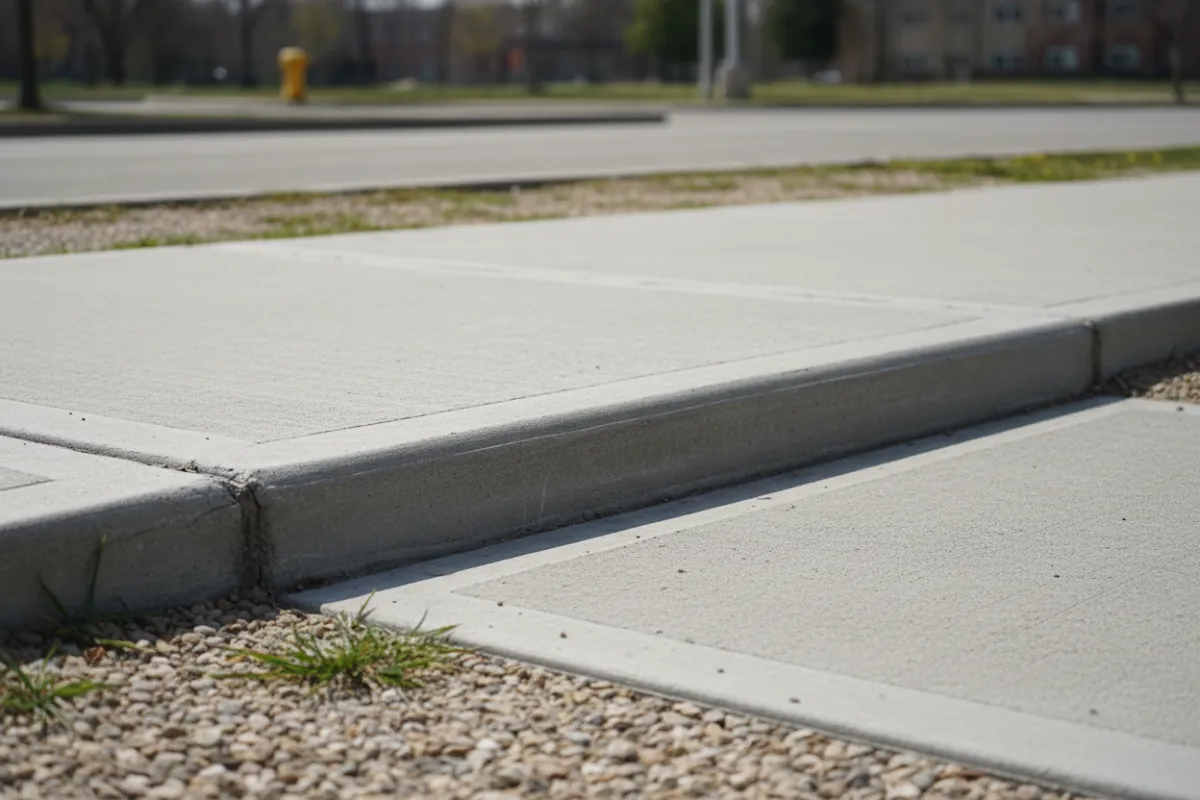
The Slab Has Dropped or Tilted
If one side of a slab has settled lower than the surrounding concrete, mudjacking may help raise that section and improve the transition. This is common around sidewalks, driveway panels, garage entries, patios, steps, and walkways.
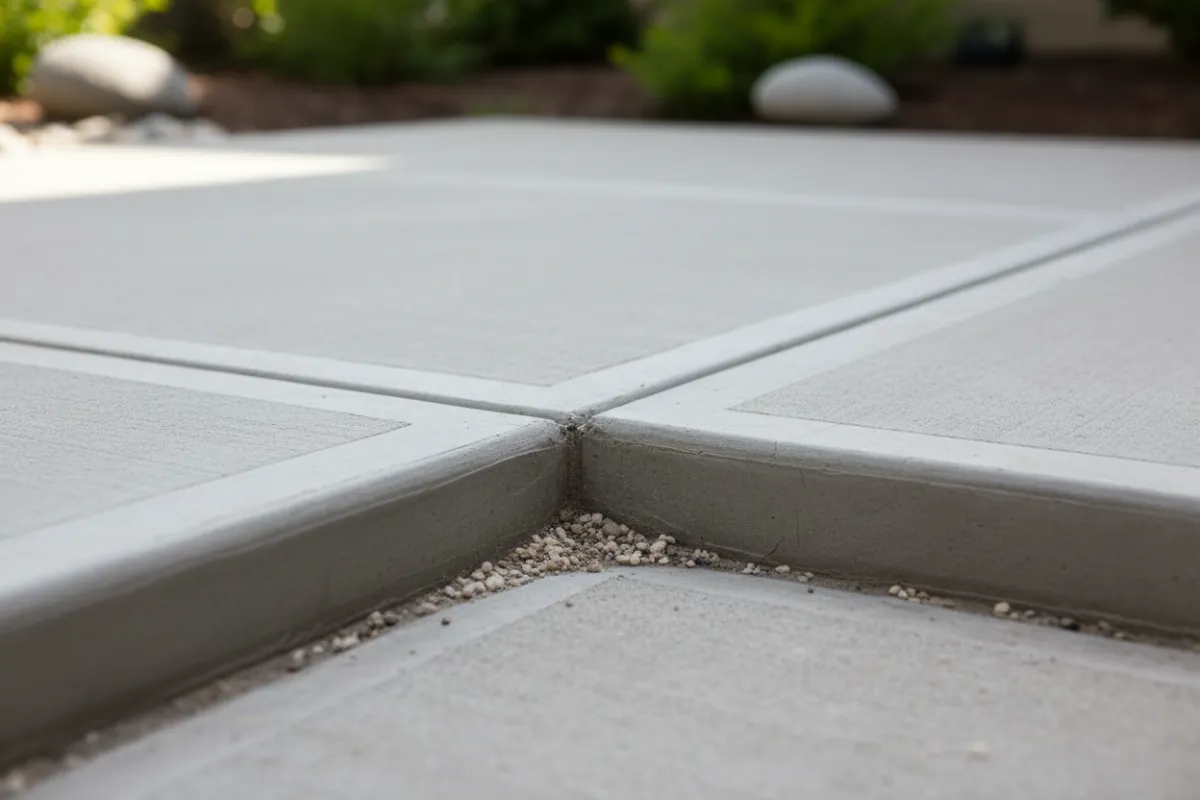
There Are Voids Beneath the Slab
Mudjacking is designed to fill unsupported areas beneath concrete. If washout, poor compaction, or water movement has created voids, filling those spaces may help stabilize the surface and reduce future movement.
Mudjacking FAQs
Common questions about mudjacking, concrete lifting, concrete leveling, slab settlement, sinking concrete, and uneven concrete repair in Madison.
Is mudjacking the same as concrete leveling?
Mudjacking is one type of concrete leveling. Concrete leveling is the broader category, while mudjacking usually refers to lifting a slab by placing material beneath the concrete. Concrete lifting, concrete raising, and slabjacking are also common terms homeowners may use for similar repair needs.
What concrete areas can mudjacking help with?
Mudjacking may help with settled driveways, sidewalks, patios, walkways, steps, garage slab transitions, front entry areas, and other concrete surfaces that are still mostly intact.
How do I know if mudjacking will work for my slab?
The slab needs to be evaluated. Mudjacking is usually a better fit when the concrete is still solid but has settled because the soil or base beneath it lost support. If the concrete is badly cracked, crumbling, or unstable, replacement may be a better option.
Does mudjacking fix drainage problems?
Mudjacking can help raise and support the slab, but it does not automatically fix drainage, grading, downspouts, or runoff issues. Those conditions may need to be corrected separately so water does not continue washing out support beneath the concrete.
When should concrete be replaced instead?
Replacement may be better when the concrete is severely cracked, crumbling, badly spalled, unstable, or broken into many pieces. A proper evaluation should compare the condition of the slab with the likely outcome of lifting it.
Why does concrete sink in Madison?
Concrete in Madison can sink because of freeze-thaw cycles, snowmelt, heavy rain, water runoff, poor compaction, erosion, open joints, downspout discharge, and long-term soil settlement beneath the slab.
Is mudjacking cheaper than replacement?
In many cases, mudjacking can be more affordable than removing and replacing the entire slab because it avoids demolition, haul-away, repouring, and extended curing time. The right choice depends on the slab condition, site access, settlement depth, drainage, and the repair method needed.
Need help with sunken concrete? Request a free mudjacking evaluation before assuming the slab needs to be replaced.
Lift, Level, Lasting Results.
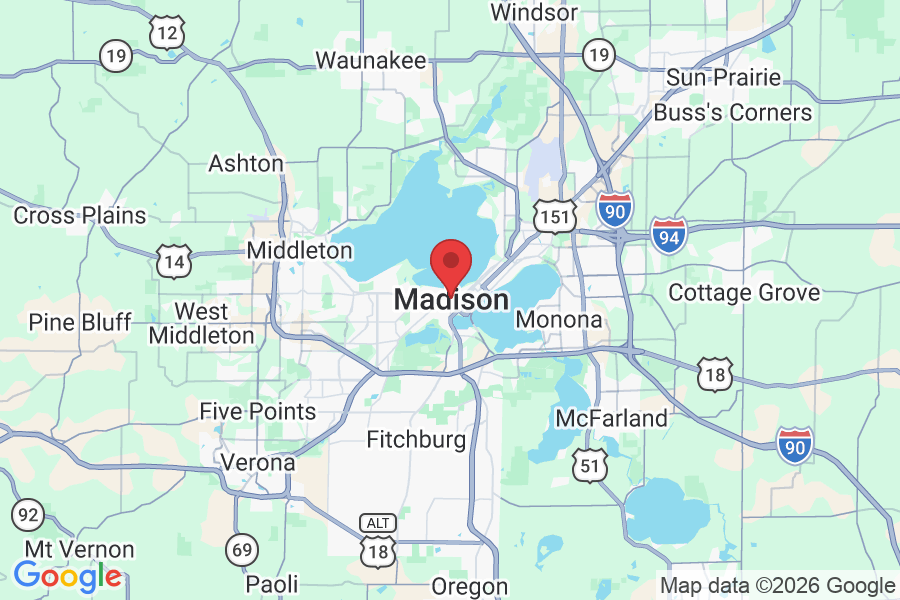
Serving Madison, Middleton, Fitchburg,
Sun Prairie, Verona, Waunakee, Monona,
McFarland, DeForest, Stoughton, Oregon,
Cottage Grove, and most of Dane County.