Concrete Lifting in Madison, WI
Raise and stabilize sunken sidewalks, driveways, patios, walkways, garage entries, and settled slabs before they become bigger safety, drainage, or replacement problems.
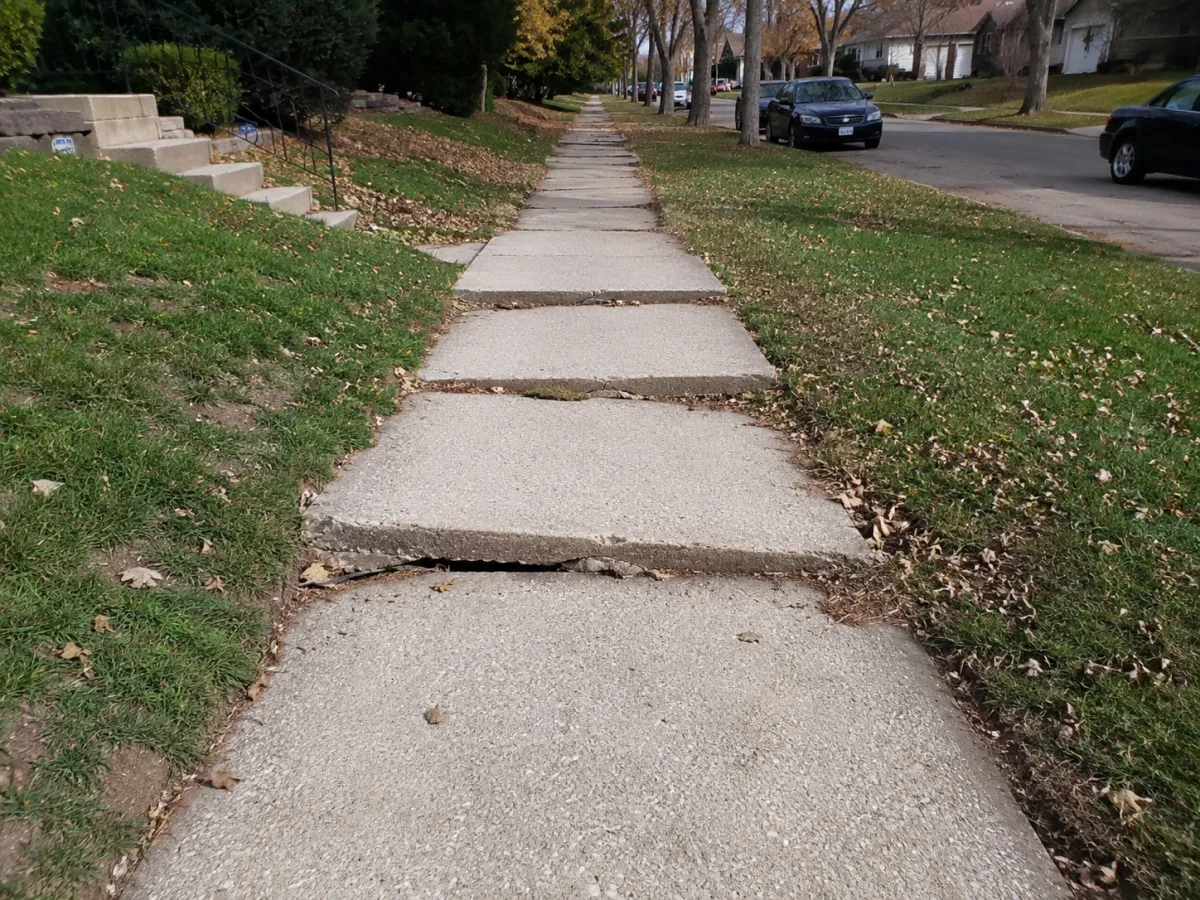
Uneven sidewalks, sinking walkways, driveway settlement, garage entry drops, and sunken concrete slabs can quickly become trip hazards around Madison homes and properties. These issues are often connected to freeze-thaw movement, snowmelt, water runoff, soil erosion, poor compaction, tree root pressure, and long-term settlement beneath the slab.
At Madison Concrete Lifting & Mudjacking, we help homeowners evaluate and repair uneven concrete surfaces using concrete lifting, concrete leveling, and mudjacking solutions designed to restore safer, more usable slabs without tearing out concrete too early.
Concrete lifting is often faster, cleaner, and more affordable than full replacement when the existing slab is still structurally usable. The goal is to fill unsupported areas beneath the concrete, raise settled sections where possible, improve drainage, reduce trip hazards, and slow the kind of movement that turns a repairable slab into a replacement project.
Concrete lifting in Madison is commonly used for:
Uneven sidewalks
Sunken driveways
Settled patios
Garage entry settlement
Walkway and front step transitions
Raised or separated concrete edges
Trip hazard reduction
Water pooling near low slabs
Concrete slab support loss
Entryway concrete repair
Most concrete lifting projects can be completed with less disruption than demolition and replacement, helping restore access, safety, drainage, and appearance without tearing out the entire slab. The best candidates are slabs that have settled but are still mostly intact, rather than concrete that is severely cracked, crumbling, or structurally failing.
Concrete Lifting, Mudjacking, and Concrete Leveling: What’s the Difference?
Homeowners often use the terms concrete lifting, concrete leveling, mudjacking, slabjacking, and concrete raising to describe the same general problem: a slab has dropped, tilted, separated, or become uneven because it lost support underneath.
Concrete lifting is the broad repair category. Concrete leveling describes the goal of restoring a more even surface. Mudjacking is one method that lifts settled concrete by placing material below the slab. Polyurethane foam lifting is another method used by some contractors. The right approach depends on the slab condition, the size of the void, access, drainage, soil conditions, and whether the existing concrete is still worth saving.
For Madison homes, the most important first step is not choosing a buzzword. It is figuring out why the concrete moved in the first place. If water, snowmelt, downspouts, poor grading, or base erosion caused the settlement, those issues need to be considered before the slab is lifted.
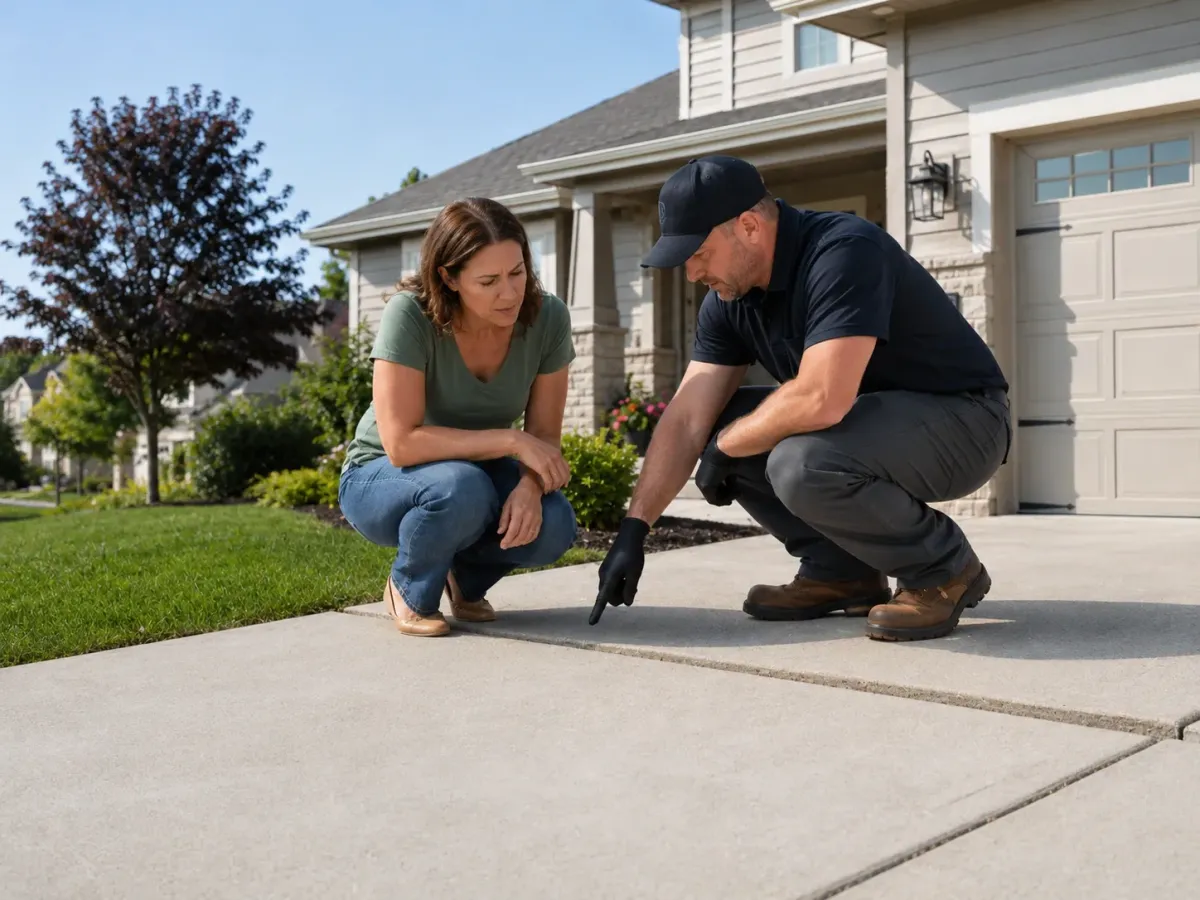
Why Sunken Concrete Becomes a Serious Problem
Uneven sidewalks, sinking driveways, settled patios, garage entry drops, and sunken slabs can create more than just an appearance issue. Trip hazards, water pooling, poor drainage, slab separation, and worsening settlement can all become bigger problems when concrete movement is ignored.
In Madison, seasonal freeze-thaw cycles and snowmelt can make small concrete problems more noticeable over time. Water can collect near low sections, move beneath the slab, wash out base material, and leave unsupported areas. Once support is lost, the slab may continue to sink, tilt, crack, or separate from nearby concrete.
Common causes of sunken concrete in Madison include:
Freeze-thaw cycles
Snowmelt and water runoff
Water erosion beneath slabs
Poor soil compaction
Tree root pressure near sidewalks
Downspouts draining near concrete
Open joints that allow water below the slab
Long-term soil settlement
Addressing sunken concrete early can help reduce trip hazards, improve drainage, restore curb appeal, and prevent small slab problems from turning into larger repair or replacement projects. A dropped sidewalk panel, driveway edge, patio corner, or garage transition may look minor at first, but unsupported concrete rarely fixes itself.
When Concrete Lifting Makes Sense
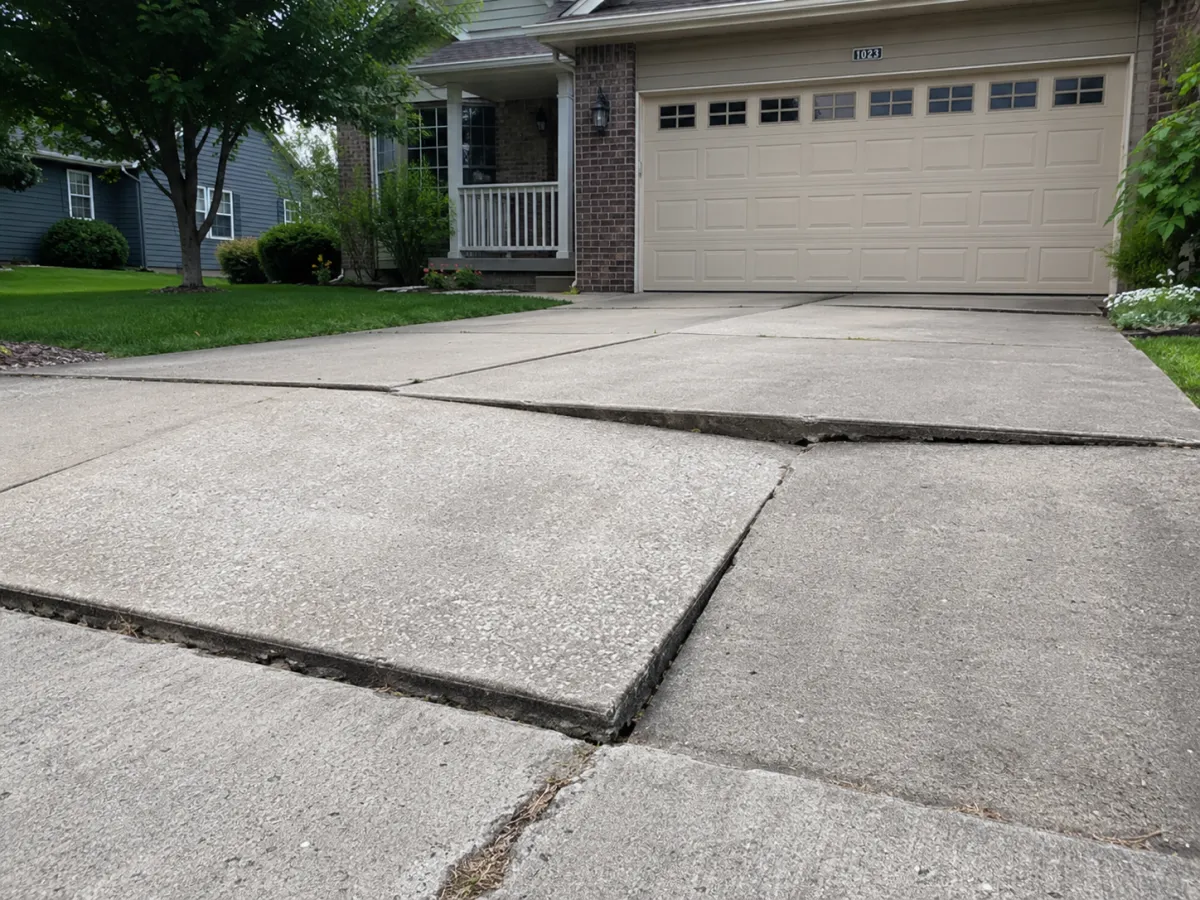
When Concrete Lifting Is a Good Fit
Concrete lifting may be a good fit when the slab is still mostly intact, but part of it has settled, tilted, or lost support. This is common around sidewalks, driveways, patios, walkways, steps, and garage entries where the concrete surface is usable but uneven.
Concrete lifting may help when:
The slab has dropped but is not shattered
There are trip hazards between concrete sections
Water is pooling because one section has settled
A driveway has sunk near the garage entrance
A patio or walkway has tilted toward the home
Front steps or stoops have shifted
There are visible gaps or voids beneath the slab
The homeowner wants to avoid unnecessary demolition
When Replacement May Be the Better Option
Concrete lifting is not the right answer for every slab. If the concrete is badly cracked, heavily spalled, crumbling, severely uneven across multiple broken sections, or no longer structurally sound, replacement may be the smarter long-term option.
A proper evaluation should look at the slab condition, how much settlement has occurred, where water is moving, whether the base is still stable, and whether lifting the existing concrete will create a safe and usable result.
Addressing settlement early may help reduce trip hazards, improve surface usability, and limit additional movement before the slab becomes harder to repair.
Got Questions? We’ve Got Answers.
Frequently Asked Questions About Concrete Lifting in Madison
What is concrete lifting?
Concrete lifting is a repair method used to raise and stabilize sunken or uneven concrete slabs without full replacement. It can often help restore driveways, sidewalks, patios, walkways, steps, and garage entries by filling unsupported areas beneath the slab and raising settled concrete where possible.
Can sunken concrete be lifted without replacing it?
Yes. Many sunken sidewalks, driveways, patios, walkways, and garage entry slabs can be lifted and leveled instead of demolished and repoured. The right repair depends on the condition of the concrete, the amount of settlement, the size of the void beneath the slab, and whether drainage or soil movement is still causing problems.
Why does concrete sink in Madison?
Concrete in Madison can sink because of freeze-thaw cycles, snowmelt, water runoff, erosion, poor compaction, tree root pressure, open joints, downspout discharge, and long-term soil settlement beneath the slab. When water moves below the concrete and washes away support, the slab may begin to settle into the unsupported area.
Is concrete lifting cheaper than replacement?
In many cases, yes. Concrete lifting is often faster and more affordable than full concrete replacement because it avoids demolition, haul-away, repouring, and extended curing time. Replacement may still be needed when the slab is severely cracked, crumbling, or no longer stable enough to lift.
Are uneven concrete slabs considered trip hazards?
Yes. Raised, sunken, or separated concrete edges can create trip hazards for homeowners, guests, customers, and pedestrians. These hazards are common around sidewalks, driveways, steps, walkways, patios, and entryways.
Is concrete lifting the same as mudjacking?
Not exactly. Concrete lifting is the broader category of raising or stabilizing sunken concrete. Mudjacking is one method of concrete lifting that places material beneath the slab to fill voids and raise the surface. Concrete leveling describes the outcome: creating a more even and usable concrete surface.
What concrete surfaces can usually be lifted?
Common concrete lifting candidates include sidewalks, driveways, patios, walkways, steps, stoops, garage entries, garage slabs, and some settled slabs. The slab should be inspected first to determine whether it is still intact enough to lift or whether replacement would be a better option.
Need help with sinking concrete in Madison? Contact us and request a free concrete lifting evaluation before assuming the slab needs to be replaced.
Lift, Level, Lasting Results.
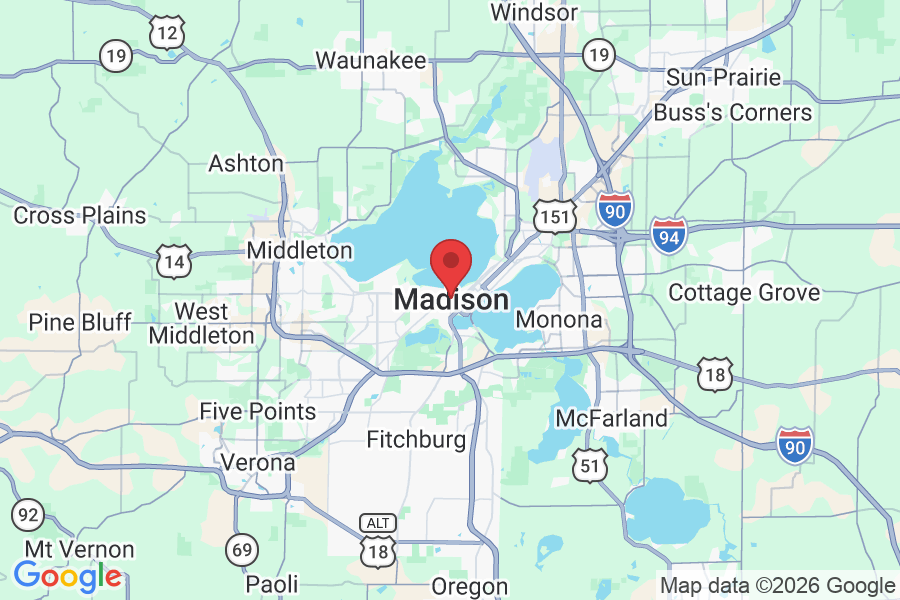
Serving Madison, Middleton, Fitchburg,
Sun Prairie, Verona, Waunakee, Monona,
McFarland, DeForest, Stoughton, Oregon,
Cottage Grove, and most of Dane County.