Concrete Leveling in Madison, WI
Lift sunken driveways, uneven sidewalks, settled patios, garage slabs, front steps, and walkways by restoring support beneath usable concrete.
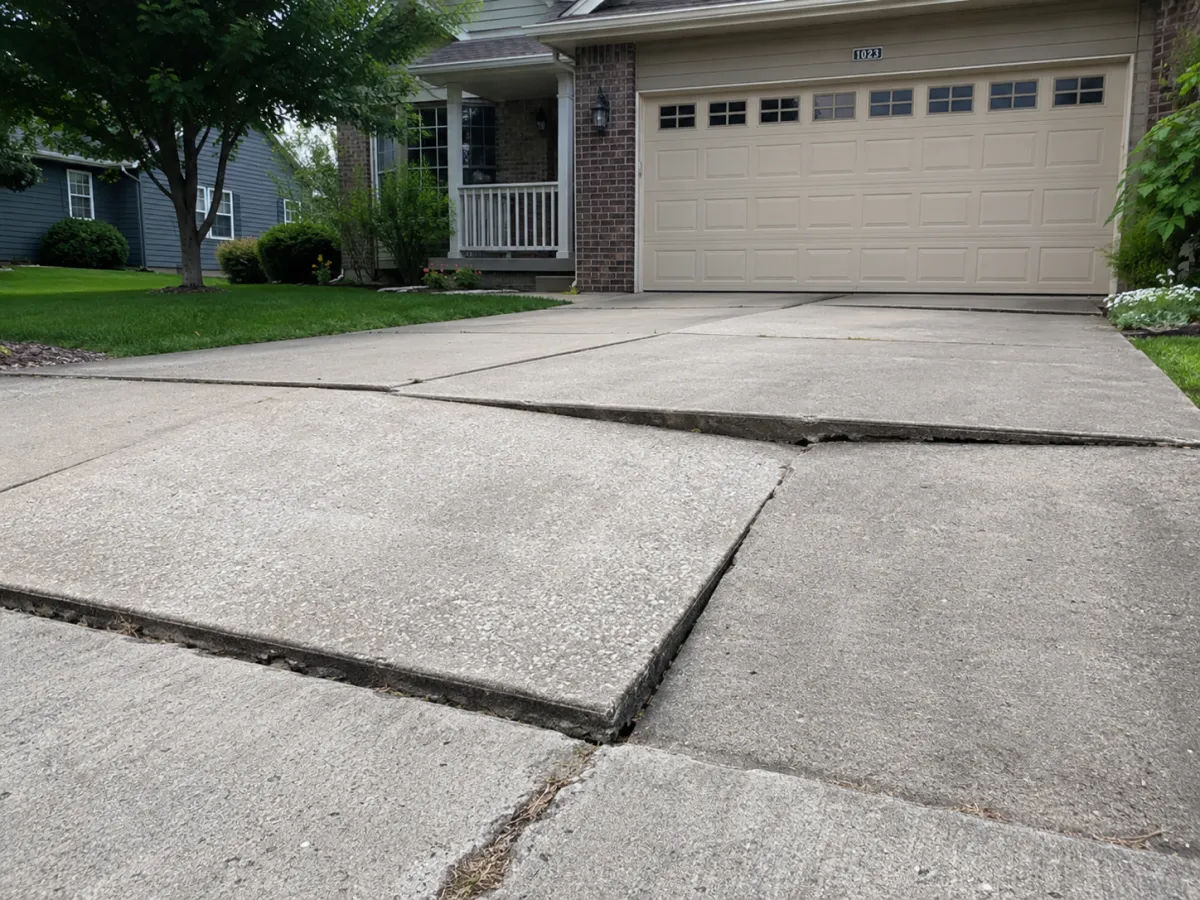
Concrete leveling is used when a slab has settled, tilted, or dropped because the soil beneath it no longer provides even support. The concrete may look like the problem, but the real issue is often below the surface: washed-out soil, poor compaction, unsupported voids, drainage problems, or long-term settlement.
Instead of tearing out usable concrete, leveling methods are designed to fill unsupported areas beneath the slab, raise settled sections where possible, and improve the surface so it is safer, smoother, and more usable.
This repair is commonly considered for Madison driveways, sidewalks, patios, walkways, front steps, stoops, garage entries, garage slabs, and exterior concrete that is uneven but still mostly intact. It may help reduce trip hazards, improve drainage, restore curb appeal, and avoid unnecessary demolition when replacement is not required.
Not every slab is a good candidate. Severely broken, crumbling, badly spalled, heavily fractured, or unstable concrete may need replacement. That is why the first step is an evaluation of the slab condition, the amount of settlement, drainage patterns, open joints, freeze-thaw exposure, nearby water sources, and the cause of the movement.
The Problems Madison Homeowners Usually Notice First
Most homeowners do not start by asking for a technical repair method. They notice a problem around the home.
Concrete leveling may be worth evaluating when you see:
A driveway slab has dropped near the garage
Water pools near the foundation or garage entry
A sidewalk panel has become a trip hazard
Front steps or a stoop have started to sink
A walkway has shifted away from the entry
A patio slab has settled or separated
A garage floor is uneven or has low spots
There are gaps beneath concrete edges
Concrete sections rock, tilt, or no longer meet evenly
A handicap entrance or high-traffic walkway has an uneven transition
These are the practical problems concrete leveling is meant to address. The goal is to restore support beneath the slab and improve safety, drainage, and usability before the concrete gets worse.
Why Concrete Becomes Uneven in the First Place
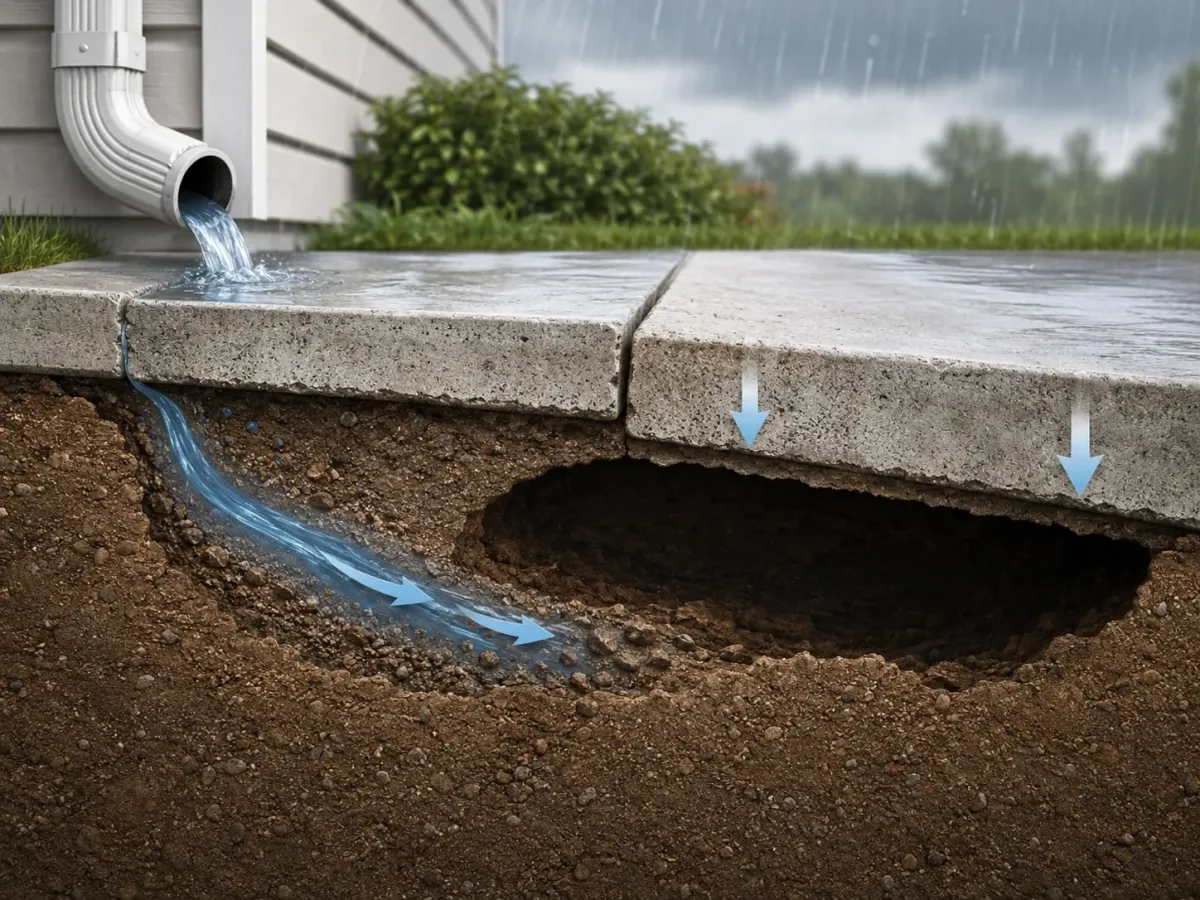
Concrete usually becomes uneven because something changed beneath the slab. Soil may wash out, compact unevenly, settle over time, or lose support when water repeatedly moves through open joints, cracks, or weak drainage areas.
In Madison, seasonal freeze-thaw cycles, snowmelt, heavy rain, downspouts, and poor grading can all move water beneath or alongside concrete. When water carries soil or base material away, the slab loses support. Once part of the slab is unsupported, it may begin to sink, tilt, crack, or separate from nearby concrete.
That is why a good concrete leveling evaluation should look beyond the visible surface. The better question is not only “Can this slab be raised?” It is “Why did it drop, and what needs attention so the problem does not keep getting worse?”
Why Homeowners Evaluate Concrete Leveling Before Replacement
Save Usable Concrete
If the slab is still mostly intact, concrete leveling may help restore the existing surface instead of tearing it out too early. This can be useful for driveways, sidewalks, patios, garage entries, front steps, stoops, and walkways where the main problem is settlement rather than total slab failure.
Improve Safety Around Everyday Walking Areas
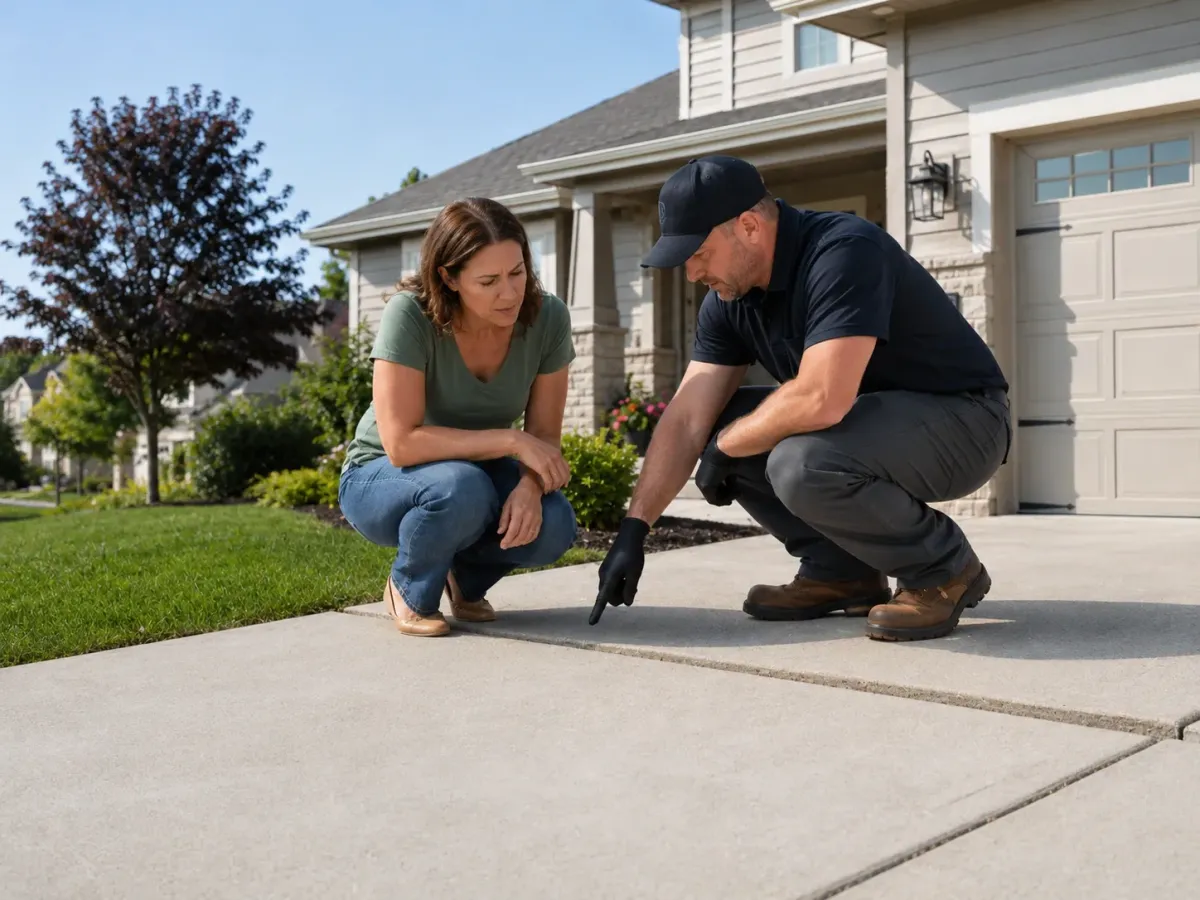
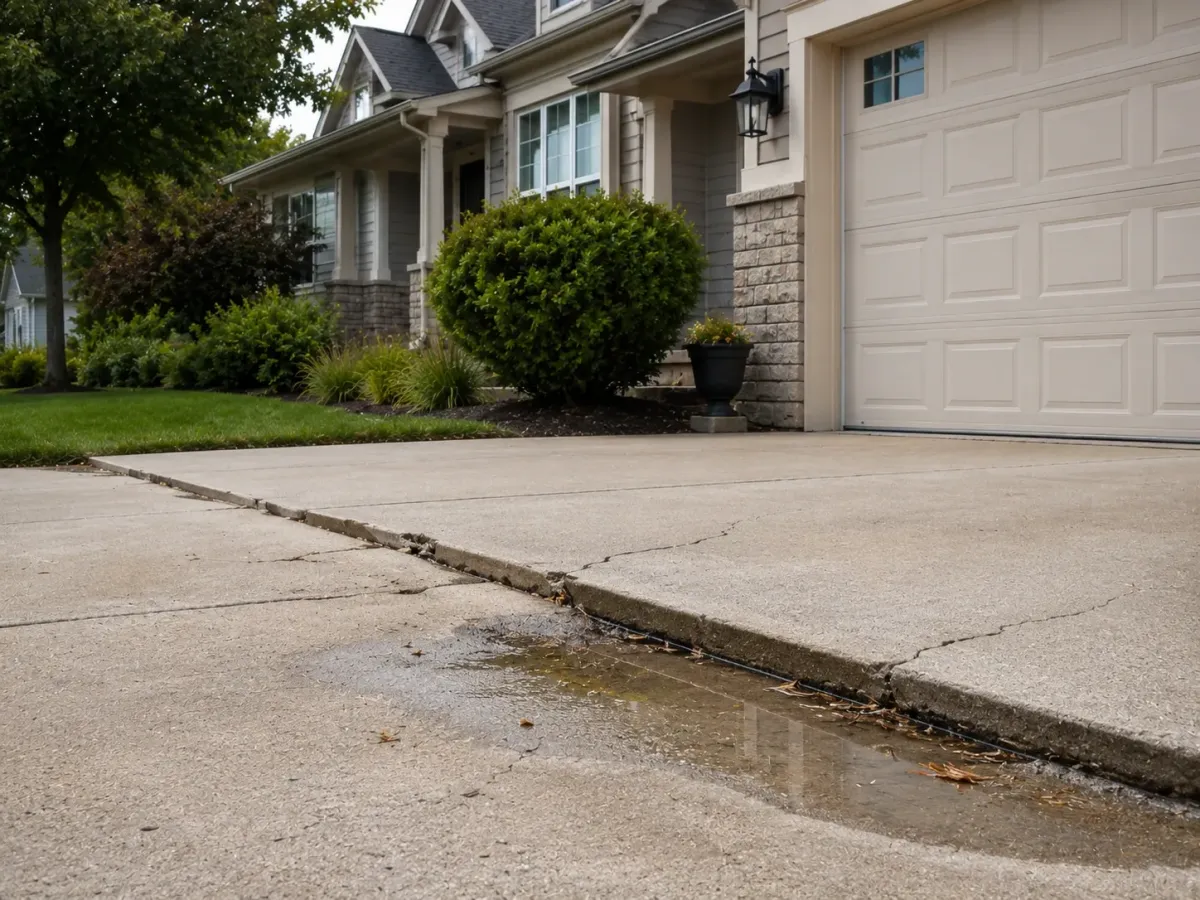
Uneven concrete can create trip hazards around sidewalks, steps, walkways, patios, and entry points. Leveling may help reduce raised edges, rough transitions, and unstable walking surfaces before the problem becomes harder to repair.
Reduce Low Spots and Water Pooling
When a slab settles, water may begin collecting in low areas near the garage, walkway, patio, or foundation. Leveling may help improve the surface, but drainage, downspouts, grading, and open joints may still need to be reviewed separately.
Avoid Unnecessary Demolition
Concrete replacement can involve demolition, haul-away, forming, pouring, and curing time. Leveling may be less disruptive when the existing slab is still a good repair candidate.
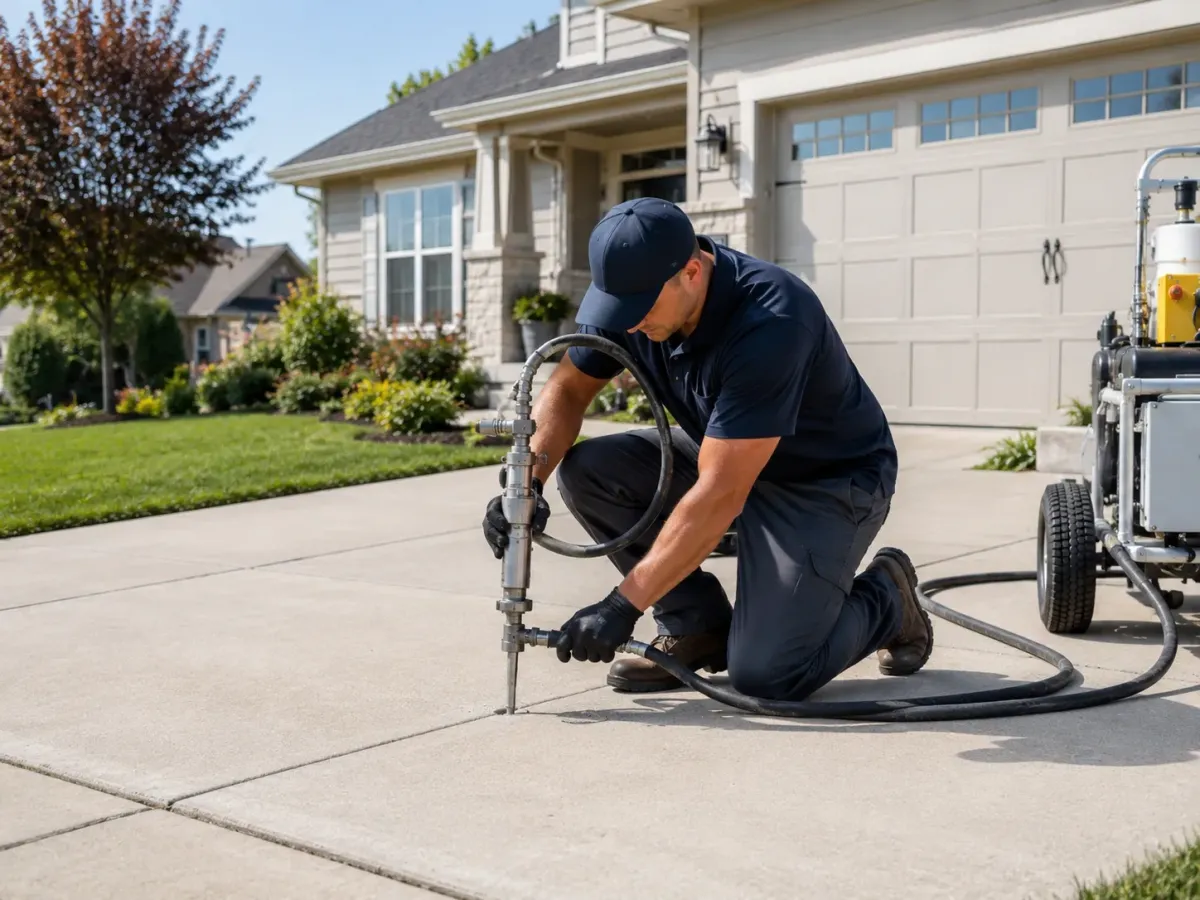
What Concrete Leveling Fixes
Uneven Walking Surfaces
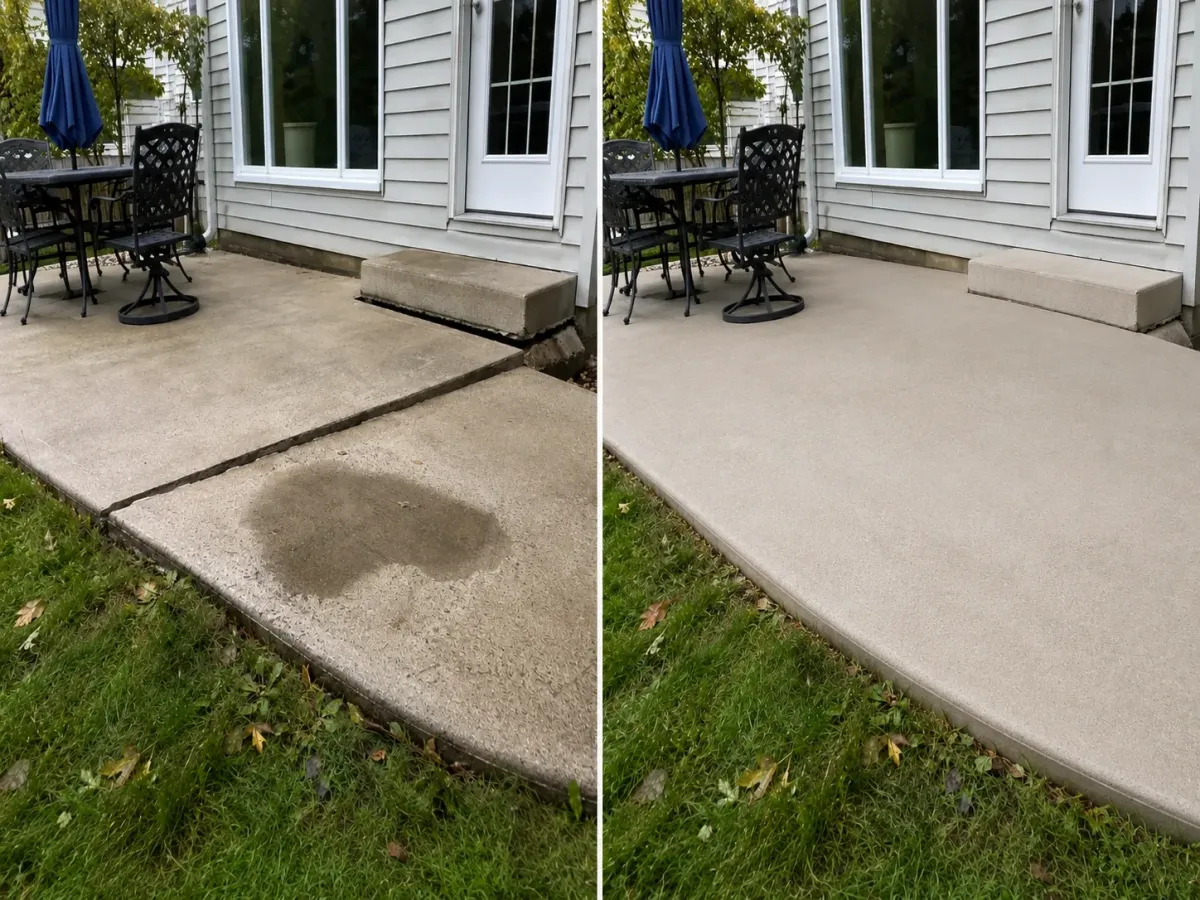
Concrete leveling can help improve walking surfaces around entries, sidewalks, patios, front steps, stoops, and walkways where one slab edge sits higher or lower than the next. These uneven transitions can become trip hazards for homeowners, guests, customers, and pedestrians.
Driveway Slab Settlement
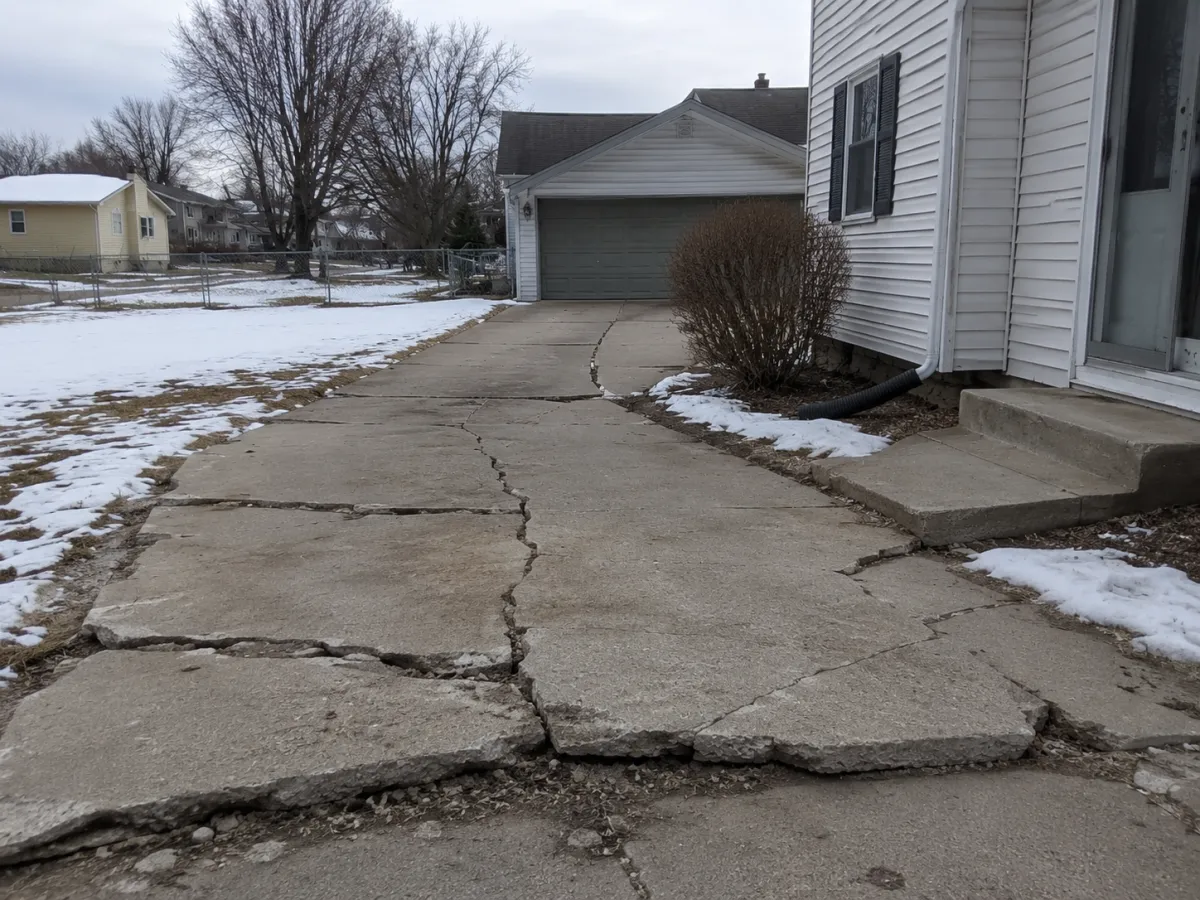
Driveways in Madison often show settlement near garage entries, expansion joints, and areas where snowmelt or water runoff moves across the slab. Leveling may help restore a smoother transition, reduce low spots that collect water, and improve access into the garage.
Sidewalk Trip Hazards
Sidewalk slabs can shift from soil movement, tree roots, water runoff, frost movement, or seasonal ground changes. Leveling may help reduce raised edges and make the path safer to use, especially around front walks, public-facing sidewalks, and high-traffic entry areas.
Settled Patios and Walkways
Patios and walkways can settle when water moves beneath the slab, snowmelt drains toward the concrete, or the base was not compacted evenly. Lifting the slab may restore a more usable outdoor surface when the concrete is still repairable.
Garage Entry and Slab Movement
A settled slab near a garage entry can create a bump, gap, trip hazard, or drainage issue. Concrete leveling may help raise the affected area, improve the transition into the garage, and reduce low spots where water collects.
Front Steps and Stoops
Steps, stoops, and front entry slabs can settle when the base beneath them loses support. If the concrete is still mostly intact, leveling may help improve the transition near the entry and reduce uneven step or walkway conditions.
Voids Beneath Concrete
A visible gap or hollow space beneath a slab may mean soil or base material has washed out. Concrete leveling and void filling may help restore support beneath the concrete when the slab is still repairable.
Addressing settlement early may help reduce trip hazards, improve surface usability, improve drainage, and limit additional movement before the slab becomes harder or more expensive to repair.
Concrete Leveling Can Also Address Voids Under Slabs
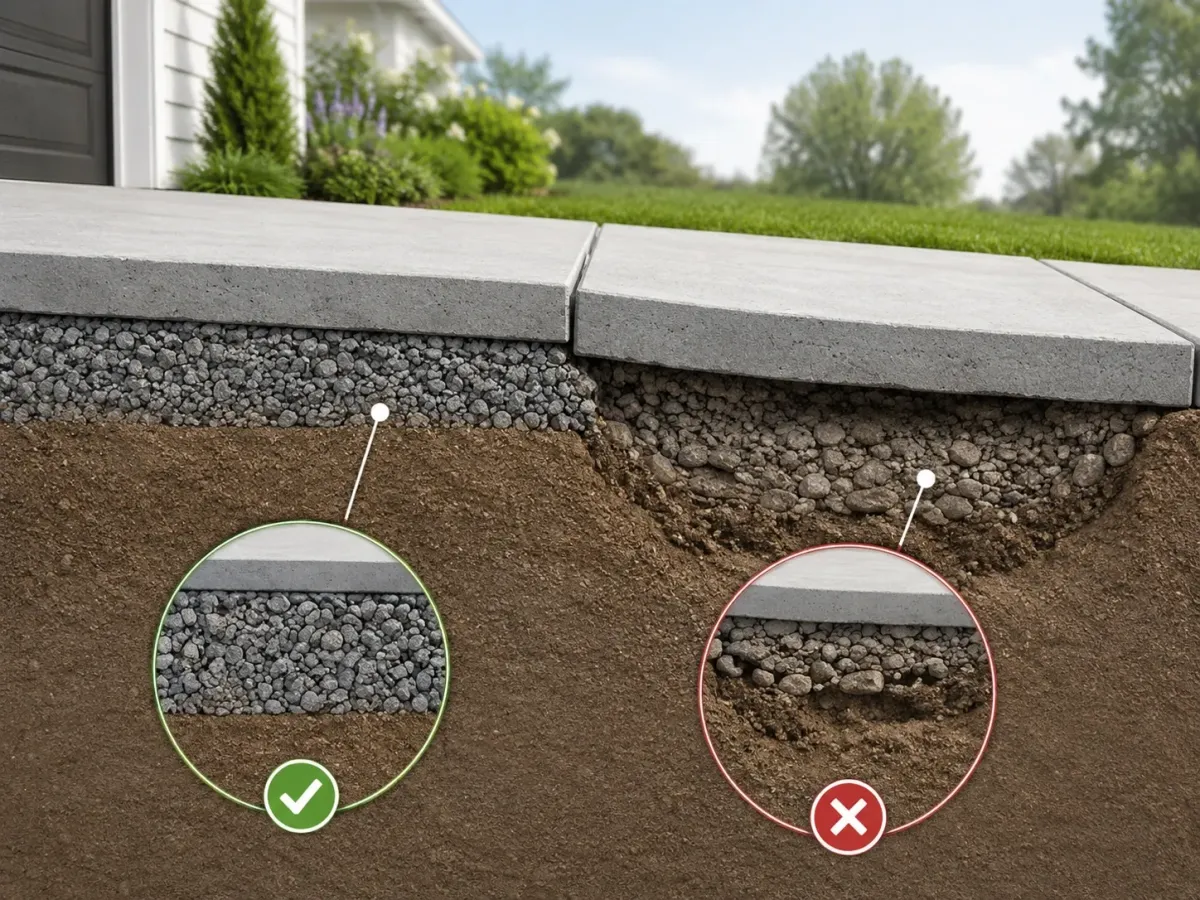
A settled slab is often a sign that empty space has formed underneath the concrete. These unsupported areas are sometimes called voids. Voids can form when soil washes away, compacts unevenly, decays, or was not properly compacted before the slab was poured.
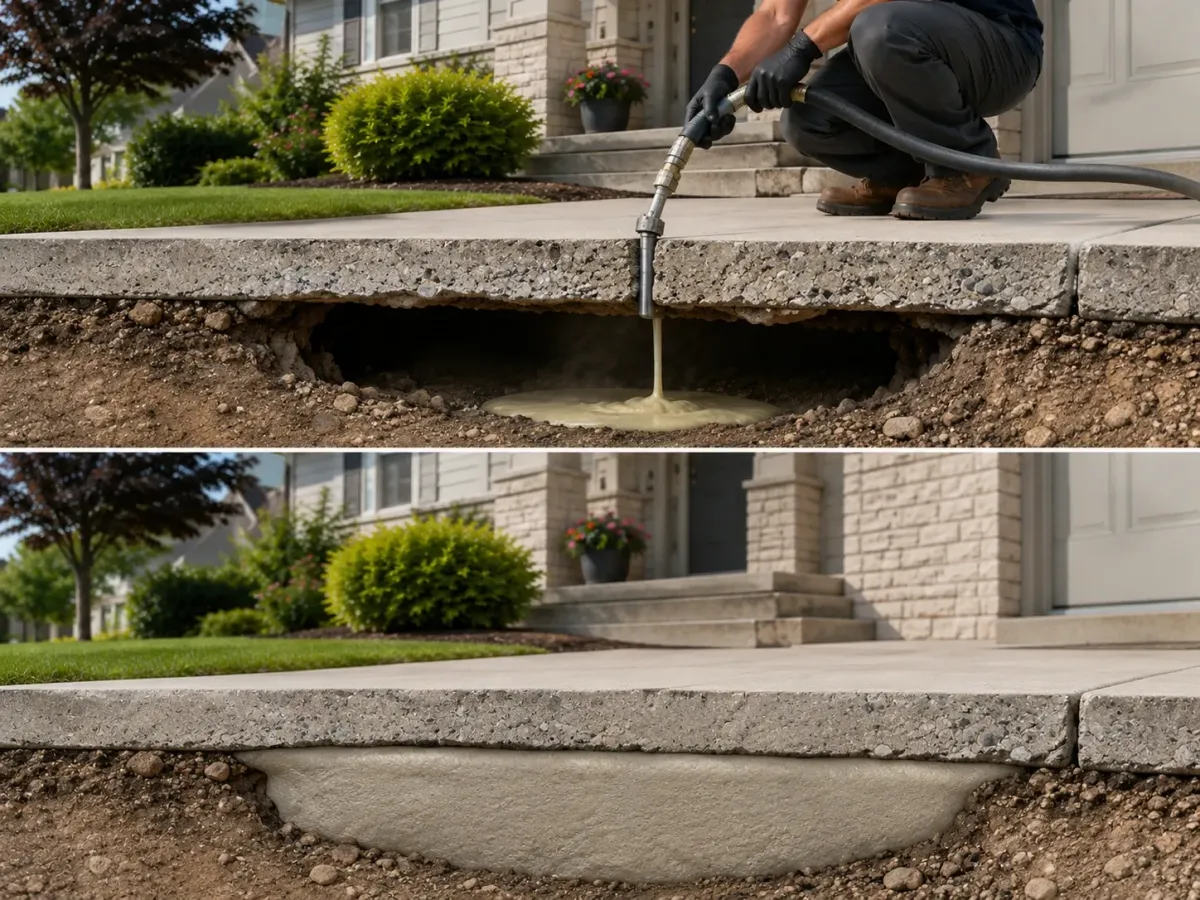
Common places where voids may show up include:
Garage slabs
Driveway aprons
Sidewalk panels
Patios
Front steps and stoops
Walkways
Basement or interior slabs
Concrete near open joints or poor drainage areas
Concrete leveling methods may help fill those unsupported areas while lifting the slab back toward a safer and more usable position. This matters because suspended concrete is more likely to crack, rock, settle further, or create uneven edges.
How Concrete Leveling Works
The exact method can vary by contractor, material, access, and slab condition, but the goal is the same: restore support under the slab and lift the concrete back toward a safer, more stable, more usable position.
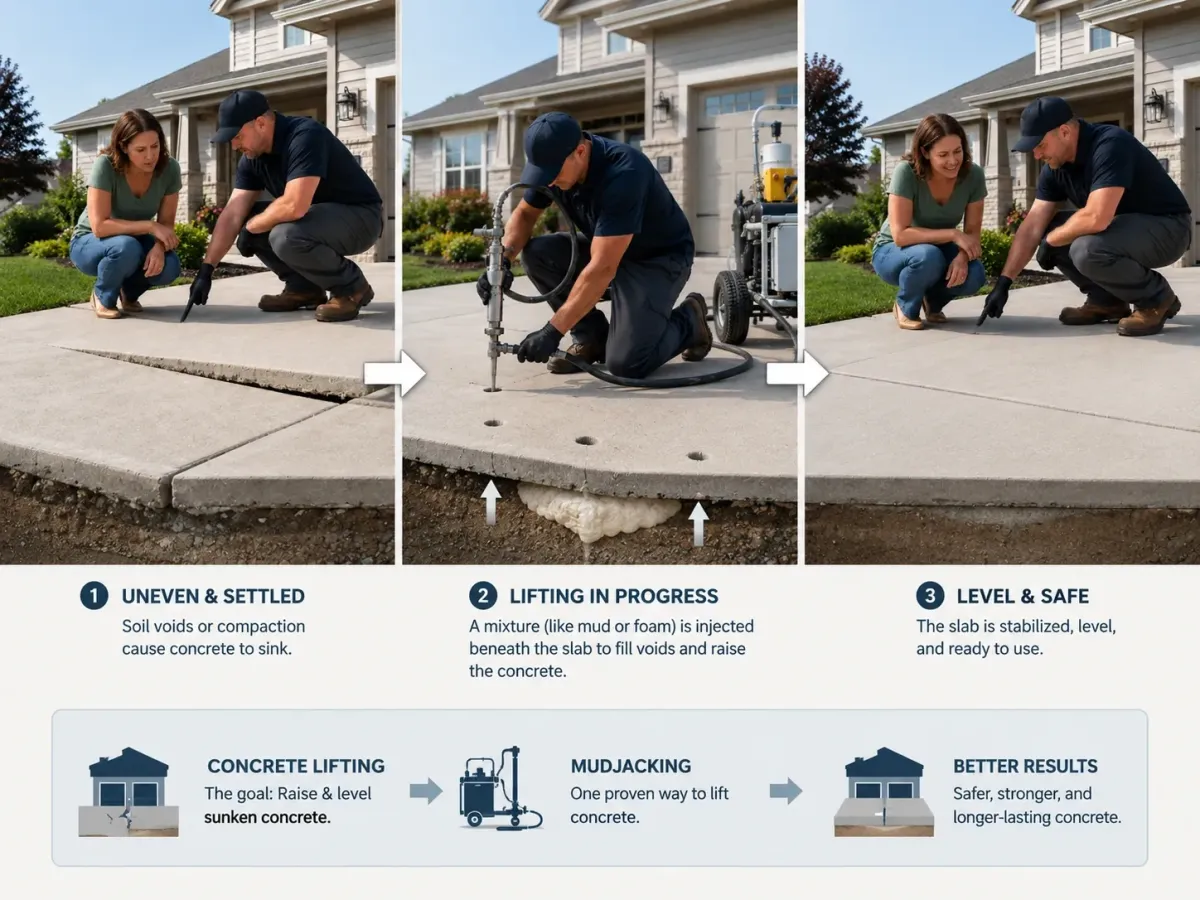
Evaluate the Settled Slab
The repair area is inspected to understand how much the concrete has moved, whether the slab is still structurally repairable, whether voids may exist beneath it, and whether drainage, snowmelt, soil washout, open joints, tree roots, or freeze-thaw movement may continue causing problems.
Fill Voids Beneath the Concrete
When soil has washed out, compacted unevenly, decayed, or moved over time, empty spaces can form under the slab. Leveling methods use material beneath the concrete to fill unsupported areas and create lift.
Lift and Stabilize the Surface
The slab is raised carefully to improve the transition between sections. The goal is not always perfect cosmetic restoration; the goal is a safer, more stable, more functional surface with better support underneath.
Patch Access Points and Review the Area
After the lift is complete, access points are patched and the area is reviewed so the homeowner understands what was repaired and what may still need attention, such as drainage, grading, downspouts, open joints, joint sealing, or runoff control.
Open Joints, Water, and Concrete Settlement
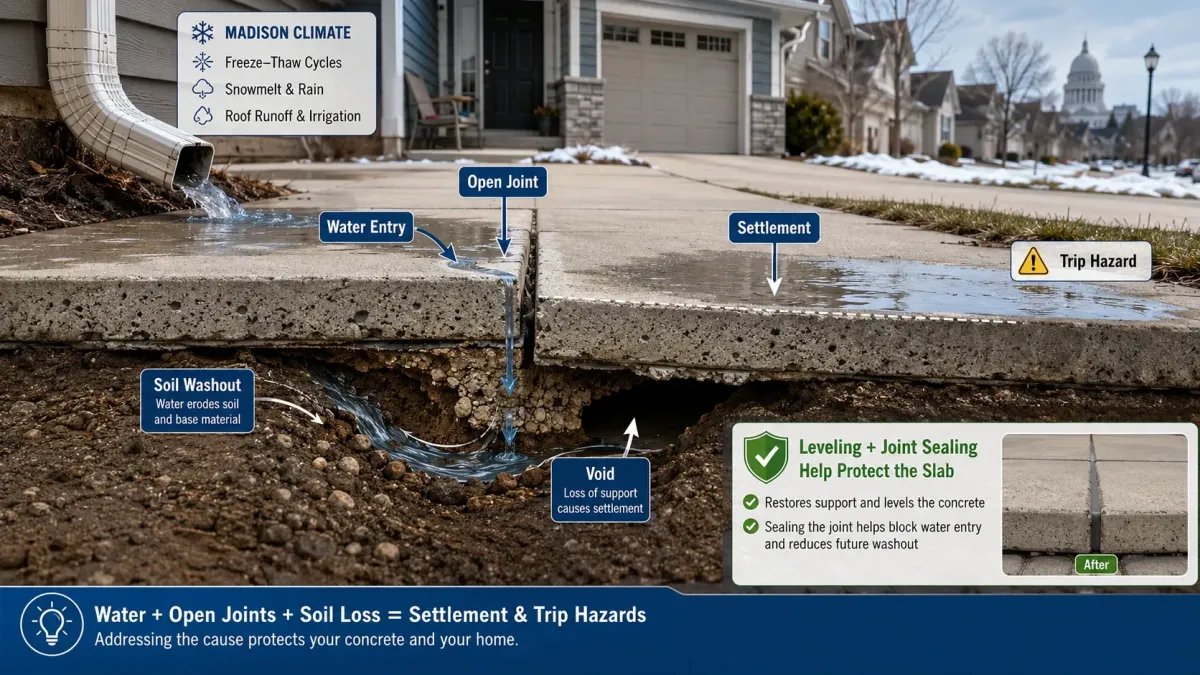
Open joints between concrete slabs are not just cosmetic. They can give water a direct path below the surface. When rain, snowmelt, irrigation, or roof runoff drains through open joints, it can wash away soil or base material under the concrete.
Over time, that support loss can create voids, uneven edges, trip hazards, water pooling, and additional settlement. This is one reason concrete leveling and joint sealing are often discussed together. Leveling can help restore support and improve the surface, while joint sealing may help reduce future water entry through open gaps.
For Madison homes, this matters most around driveways, sidewalks, patios, garage entries, stoops, and walkways where freeze-thaw cycles and snowmelt can repeatedly push water into weak spots.
When Concrete Leveling Is a Good Fit
Concrete leveling is usually considered when the slab is still mostly intact but has settled out of place. The goal is to lift and stabilize usable concrete instead of replacing it too early.
The Slab Is Mostly Intact
Concrete leveling is usually a better option when the slab is still in one or a few solid pieces rather than badly broken, crumbling, badly spalled, heavily fractured, or deteriorated.
The Main Issue Is Settlement
If the concrete has dropped because the base beneath it lost support, leveling may be able to raise and stabilize the affected section. This is common when water, erosion, poor compaction, open joints, tree root pressure, or seasonal ground movement leaves a slab unsupported.
The Surface Needs Safer Transitions
Leveling can be useful when uneven slab edges create trip hazards, rough transitions, water pooling, or access issues around everyday walking and driving areas.
Not sure if your slab can be leveled? Request an evaluation before assuming replacement is needed.
When Replacement May Be the Better Option
Concrete leveling is not magic. If the slab itself has failed, lifting it may not solve the real problem. A good evaluation should tell the homeowner when leveling makes sense and when replacement is the more responsible choice.
Severe Crumbling or Spalling
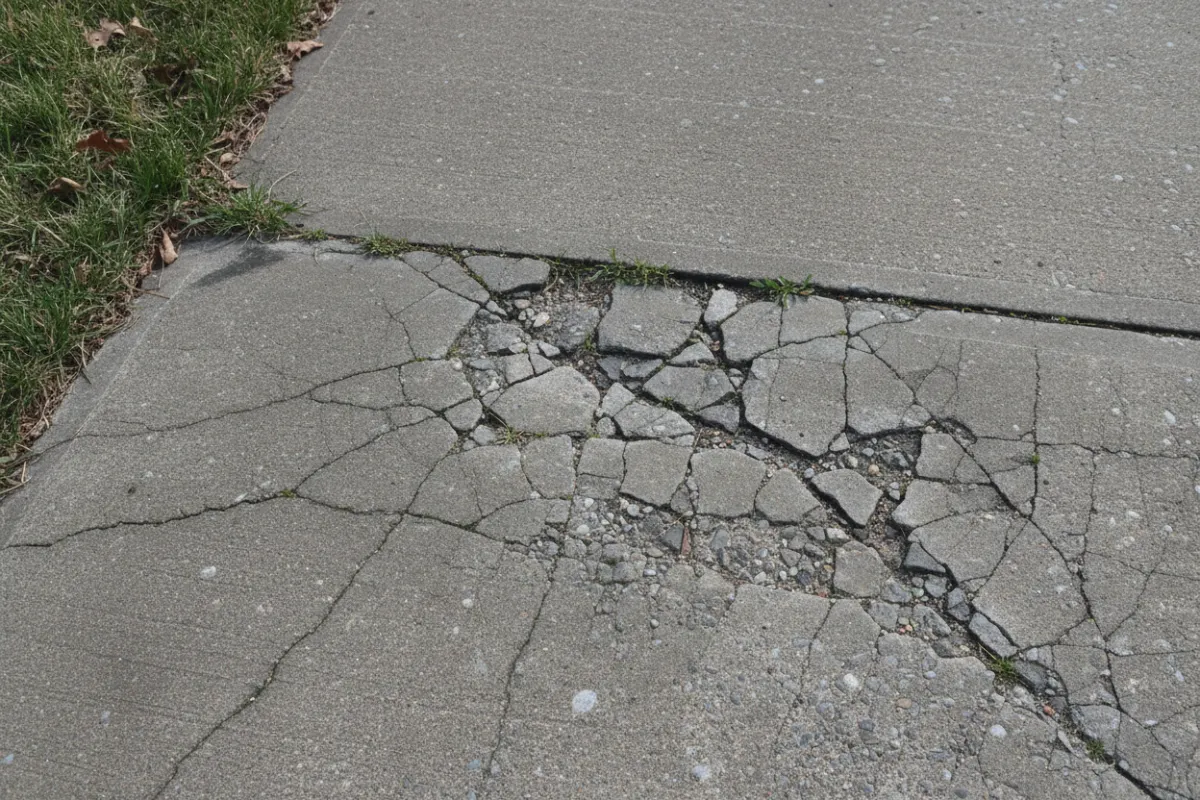
If the surface is badly deteriorated, flaking, scaling, or crumbling apart, replacement may be needed because the slab may not have enough strength left to repair effectively.
Major Structural Cracking
Large cracks, broken sections, or heavily fractured concrete can limit what leveling can accomplish. In those cases, the slab may need to be removed and replaced.
Drainage Problems That Still Need Correction
If water continues to run under or toward the slab, the concrete may keep moving after repair. Drainage, downspouts, grading, open joints, runoff paths, or joint sealing may need to be addressed to help protect the repair.
Concrete Leveling vs. Mudjacking vs. Concrete Lifting
These terms are often used together, but they are not always identical. Homeowners may see concrete leveling, concrete lifting, mudjacking, slabjacking, concrete raising, grout pumping, foam lifting, void filling, or polyjacking used to describe methods for raising settled concrete or supporting slabs that have lost base material underneath.
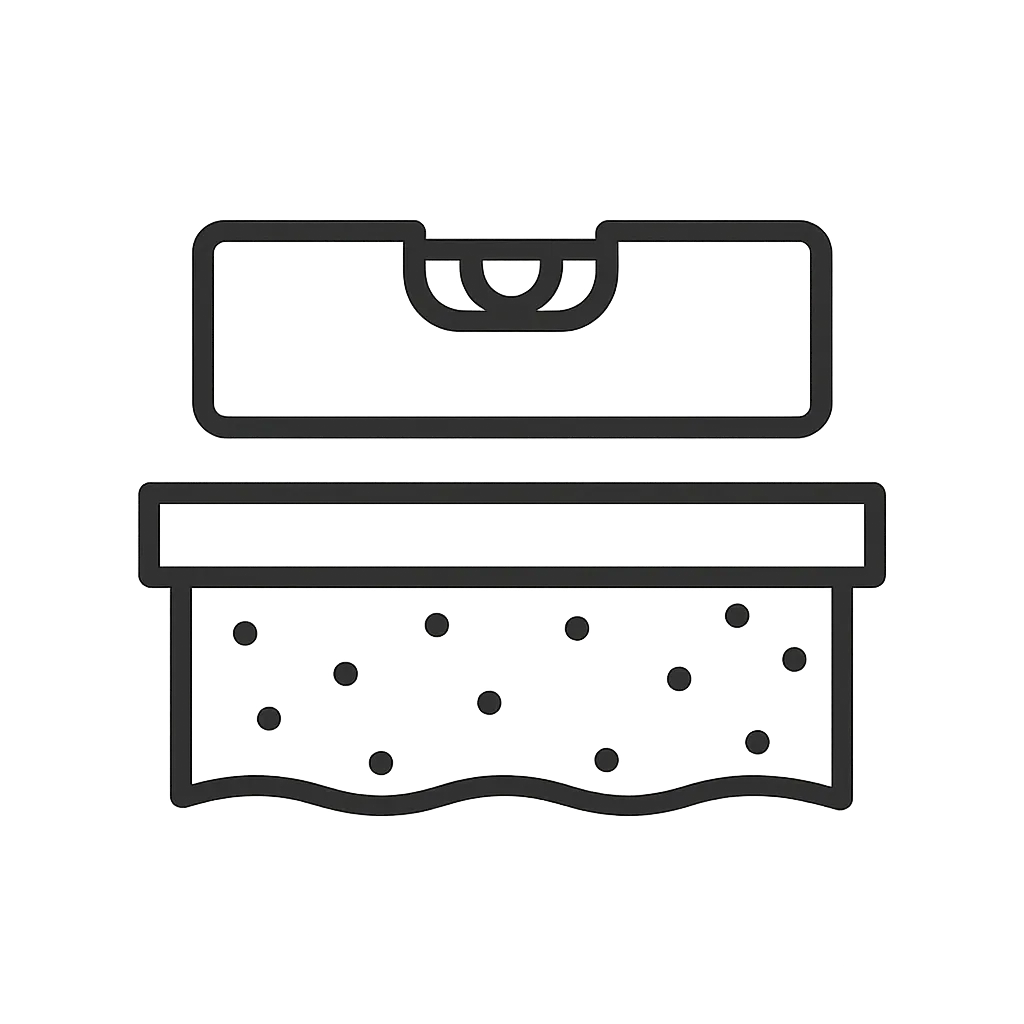
Concrete Leveling
Concrete leveling describes the goal: raising or stabilizing settled concrete so the surface is more even, safer, and more usable.
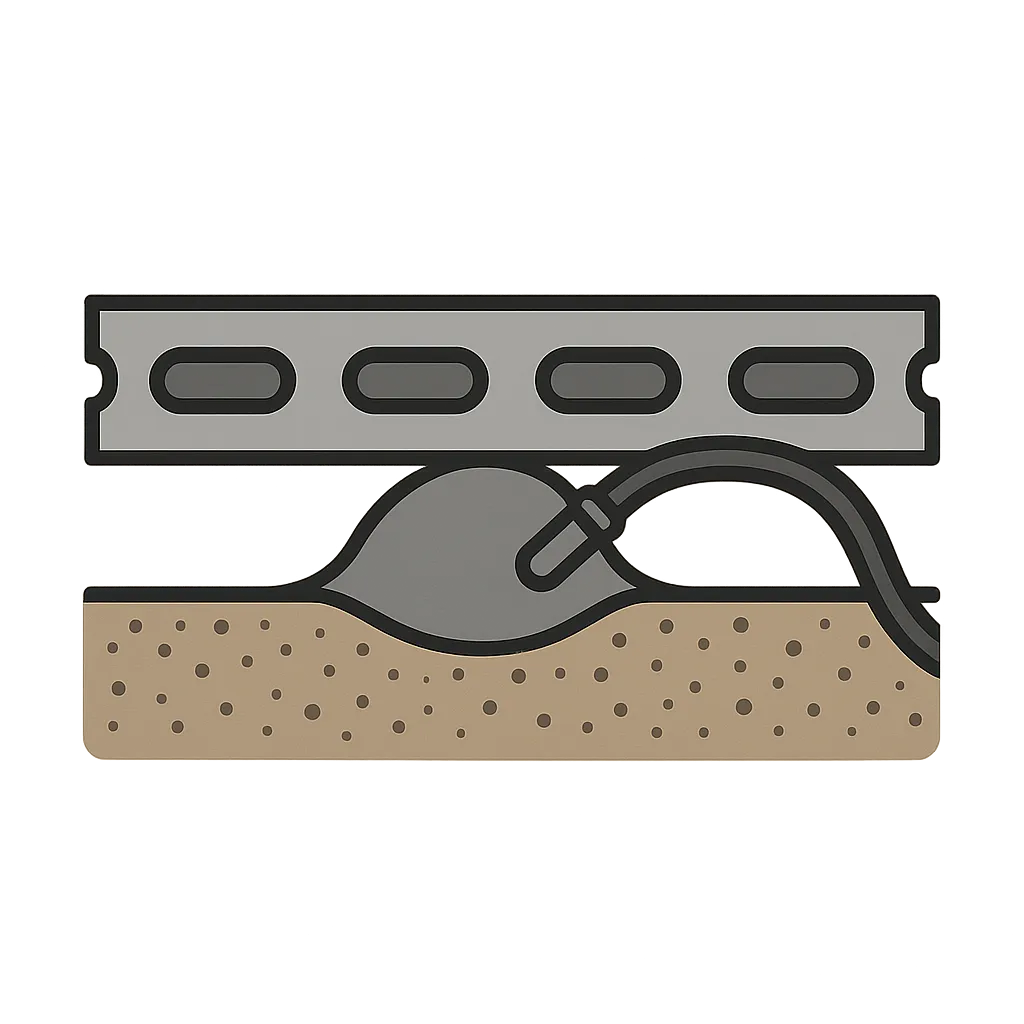
Mudjacking
Mudjacking is one method of lifting concrete. It places material beneath the slab to fill voids, restore support, and raise the concrete where possible.
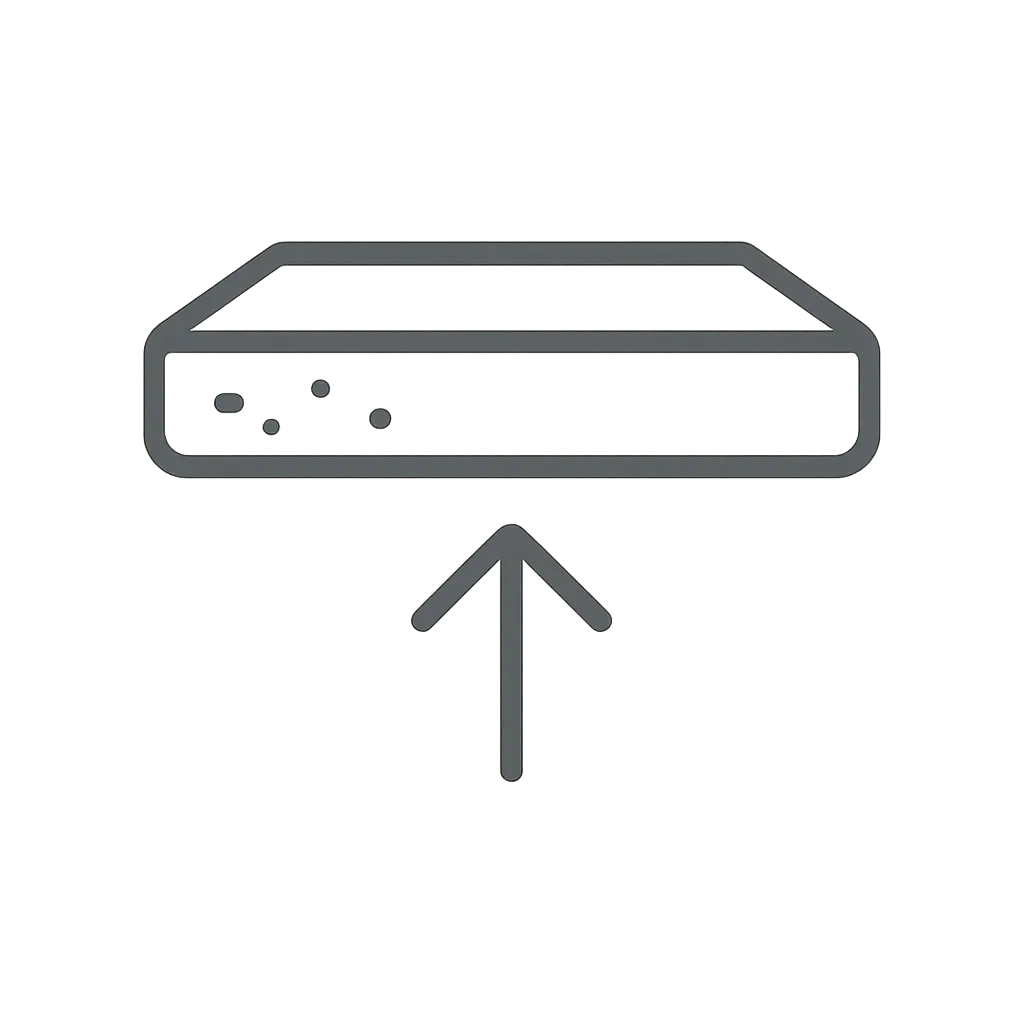
Concrete Lifting
Concrete lifting is another broad term that may describe mudjacking, foam lifting, or other methods used to raise sunken slabs. On this site, concrete lifting is the main service category, while concrete leveling describes the result homeowners want.
Void Filling
Void filling focuses on restoring support beneath concrete that has empty space below it. Some void filling projects involve lifting a slab; others focus mainly on filling unsupported space so the concrete is no longer suspended.
Not sure which repair method applies to your slab? Start with an evaluation.
Request a Concrete Leveling Evaluation
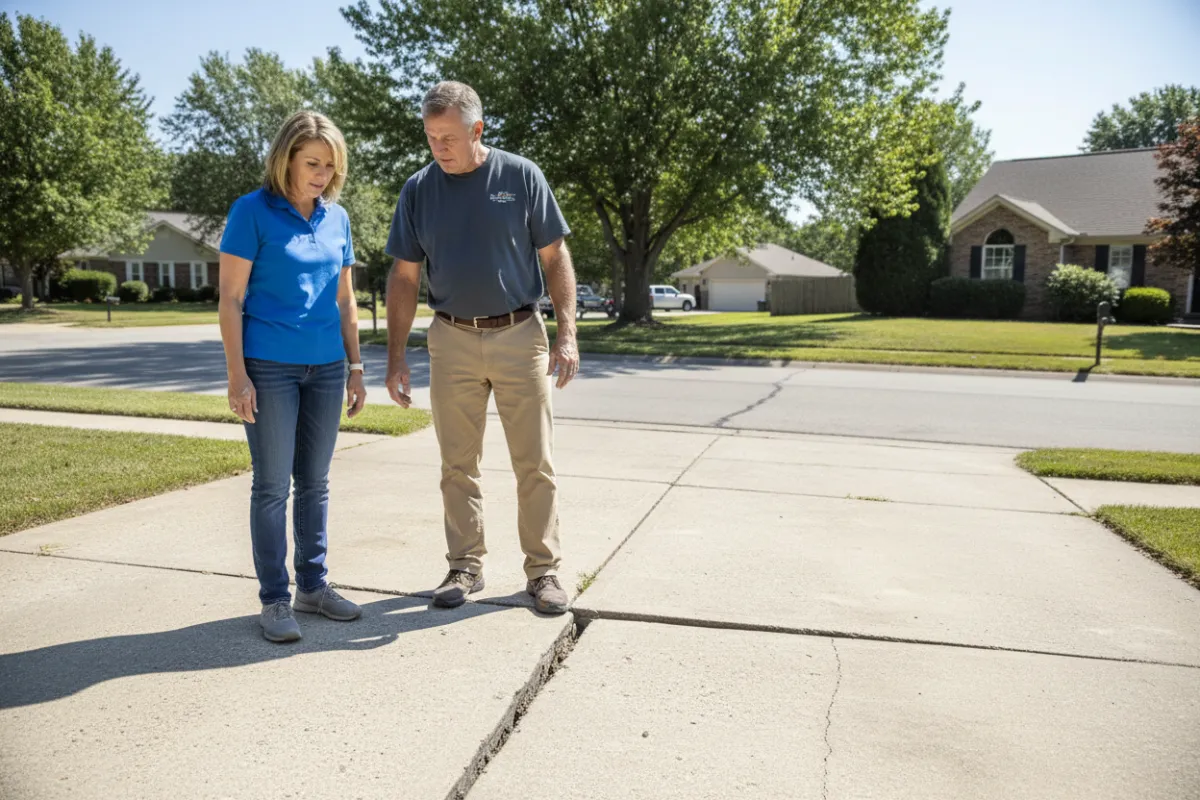
If you have a sunken driveway, uneven sidewalk, settled patio, garage slab issue, front step problem, visible void, water pooling issue, or concrete trip hazard in the Madison area, request an evaluation before assuming the slab needs to be replaced. Share where the concrete has moved, how long the problem has been visible, whether water collects near the area, and whether open joints or drainage issues are nearby.
Concrete Leveling FAQs
Is concrete leveling the same as mudjacking?
Not exactly. Concrete leveling describes the goal of making a settled slab more even and usable. Mudjacking is one method used to raise settled concrete. Concrete lifting, concrete raising, slabjacking, grout pumping, foam lifting, and polyjacking may also be used to describe similar repair needs.
What areas can usually be leveled?
Common areas include driveways, sidewalks, patios, walkways, garage entries, garage slabs, front steps, stoops, and other exterior slabs. The concrete needs to be evaluated to confirm whether it is still a good candidate for repair.
When should concrete be replaced instead of leveled?
Replacement may be better when the slab is severely cracked, crumbling, badly spalled, unstable, heavily fractured, or no longer structurally sound. Leveling works best when the slab has settled but is still mostly intact.
Will leveling fix the cause of sinking concrete?
Leveling can restore support and improve the surface, but drainage, soil washout, poor grading, downspouts, snowmelt runoff, open joints, or tree root pressure may still need attention. If the cause is not addressed, future movement is possible.
How do I know if my slab is a good candidate?
Look for uneven edges, settlement, gaps, water pooling, visible voids, rocking slabs, low driveway panels near the garage, settled steps, or trip hazards. A repair evaluation can determine whether leveling, mudjacking, concrete lifting, void filling, joint sealing, drainage correction, or replacement is the better option.
Why does concrete sink in Madison?
Concrete in the Madison area can sink because of freeze-thaw cycles, snowmelt, water runoff, poor drainage, erosion, poor compaction, open joints, downspout discharge, tree root pressure, and long-term soil settlement beneath the slab.
What are voids under concrete?
Voids are empty or unsupported spaces beneath a concrete slab. They can form when soil washes out, compacts unevenly, decays, or moves over time. A slab with voids underneath may sink, rock, crack, or create uneven edges.
Can open concrete joints cause sinking?
Yes. Open joints can allow water to move below the concrete. Over time, that water can wash away supporting soil or base material, creating voids and settlement. Joint sealing may be recommended when open gaps are contributing to water intrusion.
Can concrete leveling help water pooling near my garage or foundation?
It may help when water pools because a slab has settled and created a low spot. However, leveling does not automatically solve every drainage issue. Downspouts, grading, runoff paths, open joints, and nearby soil conditions may also need to be reviewed.
Can front steps or stoops be leveled?
Some front steps, stoops, and entry slabs may be candidates for leveling if the concrete is still mostly intact and the problem is settlement or support loss beneath the slab. If the structure is severely cracked, unstable, or separated in a way that lifting cannot safely correct, replacement or another repair may be needed.
Can garage or basement slabs be leveled?
Some garage slabs and interior concrete floors may be candidates for leveling or void filling when the slab is still mostly intact. Interior work should be evaluated carefully because access, cracking, moisture, foundation movement, and final flooring plans can all affect the repair approach.
Is concrete leveling cheaper than replacement?
In many cases, concrete leveling can be more affordable than removing and replacing the entire slab because it avoids demolition, haul-away, repouring, and extended curing time. The right choice depends on the slab condition, site access, settlement depth, drainage, and the repair method needed.
Still have questions about uneven concrete in Madison? Request a concrete leveling evaluation and find out whether lifting, mudjacking, void filling, joint sealing, drainage correction, or replacement makes the most sense for your slab.
Lift, Level, Lasting Results.
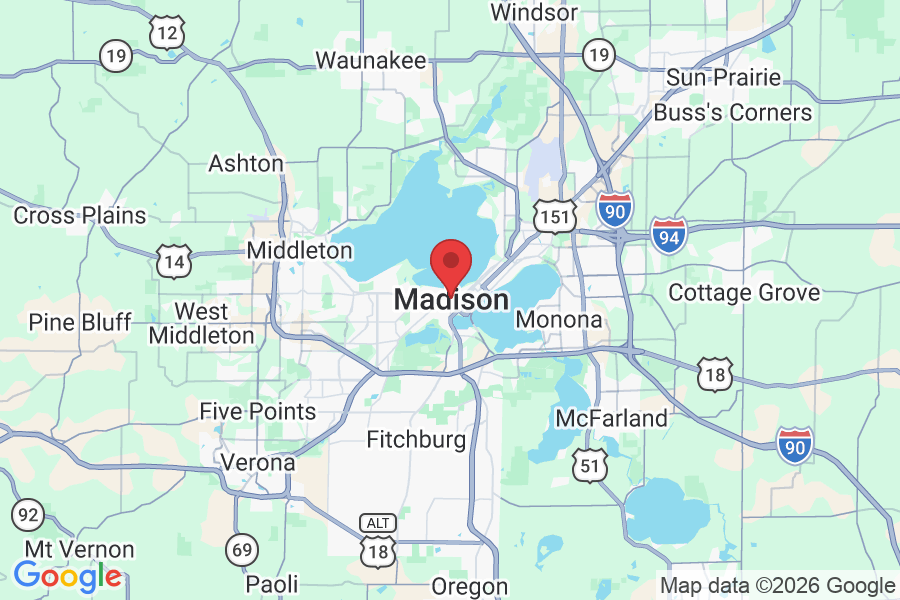
Serving Madison, Middleton, Fitchburg,
Sun Prairie, Verona, Waunakee, Monona,
McFarland, DeForest, Stoughton, Oregon,
Cottage Grove, and most of Dane County.